

Study Abroad Blog
Curated guides, test prep tips, and application insights to help you make the best academic decisions
Complete guides: three topics, end to end
Other topicsChoosing a US UniversityThe US College Application ProcessUS College Application EssaysScholarships and Financial Aid
No articles found. Try different keywords or tags.

How to Balance Reach / Match / Safety Schools in U.S. Admissions: The 12-School Golden Formula
The most common trap in U.S. college admissions: submitting 8 Ivies + 2 UCs, then getting rejected everywhere. This article uses a 15-year consulting formula to break down the Reach / Match / Safety ratio and show what the 12-school golden combination should actually look like.

The Golden 12-School Mix of Reach, Safety, and Dream Schools: A Consultant's 15-Year Field-Tested Formula
Parents insist on 8 Ivy schools, the student insists on applying only to Stanford, and the mother tears up asking, "Why apply to Penn State?" In 15 years of admissions consulting, the hardest part has never been data analysis. It is family negotiation. Using one student's real 12-school list, this article shows how dream, reach, and safety schools can all fit at the same table.
Public vs. Private University Selection Logic: A Complete Comparison of Cost, Academic Culture, and Outcomes
The instinct that "public is cheap and private is expensive" is long outdated. UMich OOS, UC Berkeley for international students, and UVA OOS now all approach Ivy-level costs. This article breaks down the hard factors behind both paths: tuition, classes, recruiting, alumni networks, and hidden costs, helping you decide which route fits you.
Liberal Arts Colleges vs Large Research Universities: The Real Difference Between LACs and Research Universities
Most Taiwanese parents have never heard of Williams, Amherst, or Pomona, but these LACs often outperform the Ivy League in student-faculty ratio, the percentage of courses taught directly by professors, and Med school / PhD recommendation success rates. This article breaks down the real competitiveness of LACs and offers a decision tree for who should choose an LAC and who should choose a Research U.

Which Schools Should You Choose for Business and Management? 10 Key Criteria for Selecting a Top BBA Program
The U.S. BBA Top 10 is not just Wharton. MIT Sloan, Cal Haas, UMich Ross, and UVA McIntire each have distinct strengths, but for international students, OPT/H-1B pathways, IB recruiting, and tuition structures vary enormously. This article uses 10 key criteria to break down which school is right for you.

Choosing a CS Program: Top 10 Schools Beyond MIT/CMU, A Complete Breakdown of 10 Leading CS Schools
The simplified idea that “CS means MIT, Stanford, or CMU” can make you miss some of the most underrated CS pipelines in the U.S. UIUC’s systems strength, Cornell’s ML depth, UW Seattle’s Microsoft pipeline - this article breaks down the real competitiveness of the top 10 CS schools and the “CS internal transfer trap” Taiwanese parents most often overlook.

How to Evaluate a School’s Culture Fit: A 5-Dimension Self-Assessment
“My daughter went to UChicago, and by November she was already breaking down and wanted to transfer.” The cost of poor culture fit can be your entire GPA and your entire college experience. This article uses 5 dimensions and 15 self-assessment questions to show you how to evaluate culture fit before the ED deadline in November.

What International Student Ratio Is Right for Taiwanese Families? 10-15% Is the Sweet Spot
"Too few international students can feel isolating; too many can limit cultural integration" - this is one of the school-selection trade-offs I explain most often after working with 600+ students. This article gives Taiwanese families the 10-15% sweet spot they should prioritize, with a comparison table of common schools' international student ratios and a recommended list.

School Ranking vs. Program Ranking: Which Matters More? A 2026 Consultant’s Practical Decision Framework
“Princeton ranks higher than CMU, so Princeton is the right choice, right?” If you are studying CS, that logic could make you regret the next four years. This article uses four major fields and the concept of Brand Decay to explain when program ranking is what really matters.

ED vs EA vs RD: How Should You Choose? A Complete Guide to Application Rounds
"Does ED really improve your chances?" The answer is: "Significantly at some schools, not much at others." Based on 15 years of admissions consulting, this article gives you a complete early-round strategy, including whether to apply broadly through ED1+EA or focus through REA, when to use ED2, and when not to take the gamble.

Reapplying After a Gap Year: A Practical 12-Month Strategy to Turn Your Application Around (2026 Consultant Playbook)
“Dr. G, my daughter was rejected by all 10 schools. She wants to take a gap year and try again. What do you think?” My answer is always the same: “A gap year can save you, or it can hurt you. The key is how you use these 12 months.” This article uses real consulting cases to break down what to do during a gap year, how to rebuild your school list, and how to write essays that turn the year into a Cornell admissions ticket.
How to Factor Internships and Employability into College Selection: A Complete Career ROI Analysis
"Teacher, should I choose UPenn or Cornell?" I ask in return: "Do you want Wall Street or Big Tech?" The truth about college selection is this: a brand-name school is only the entry ticket. What truly determines employment outcomes is the school's career pipeline. This article breaks down internships, OPT planning, co-op programs, and industry clusters, turning career ROI into a quantifiable part of your college decision.
Alumni Network ROI Estimation: The Hidden Leverage in College Selection (2026 Consultant Field Guide)
A sophomore daughter messaged 30 UPenn alumni on LinkedIn; 18 replied, 2 referred her, and she landed a Goldman Sachs summer internship. That is the real ROI of an alumni network. Drawing on 15 years of consulting experience, this article explains which schools' networks truly work and how to estimate 20-year career ROI.
Urban vs Suburban vs Rural Colleges: A Complete Analysis of the Tradeoffs Across 3 Environments (2026 Consultant Insights)
“Teacher, my son got into Columbia and Dartmouth. They are so different. Which should he choose?” I asked in return: “Is he willing to spend four years in Hanover at -20°C with no Uber Eats?” The three campus environments determine your lifestyle, internship commute, and network density for four years. This article uses real consulting cases to break down the true tradeoffs among urban, suburban, and rural colleges.
Higher Scholarship vs Higher Ranking: The Economics of a USD $150K College Decision (2026 Consultant Field Guide)
“Teacher, USC gave us a $40K Trustee Scholarship, while NYU costs the full $85K. That is a $150K difference over four years. Which should we choose?” This is one of the most common college-decision dilemmas for Taiwanese families. Drawing on 15 years of consulting experience, this article turns the scholarship vs ranking decision into a full mathematical framework and shows how the answer changes for three types of families.

The Special School-Selection Logic for Engineering, Business, and Pre-Med Programs (2026 Complete Consultant Guide)
"My son wants to study CS." "My daughter wants to do Pre-Med." "He wants to break into investment banking." These are three different tracks, and their school-selection logic could not be more different. Engineering depends on ABET accreditation and co-op scale, business schools depend on target-school recruiting, and Pre-Med depends on GPA preservation. This article breaks down the school-selection formula for all three tracks.
Why Schools Recommended on College Confidential May Not Fit Taiwanese Families: 2026 Counselor Insights
“American forums all recommend University of Wisconsin and Penn State as high-value choices.” But those suggestions assume you are a U.S. resident, have in-state tuition, and can use FAFSA. Taiwanese families who follow CC too closely often run into trouble. This article breaks down CC advice through a Taiwanese lens.

Using the 152-School Dr. G. DB to Build Your Dream List: A Complete Practical Demo (2026)
"The 152-school database sounds impressive, but how does it actually work?" This article uses a real student with a 1500 SAT, 3.92 GPA, engineering spike, and $70K budget to demonstrate the full 4-step filtering process, from 152 → 35 → 18 → 12 schools, with practical tables at every step.

How to Write the 650-Word Common App Personal Statement: A Consultant's 15-Year Practical Breakdown
The 650-word Common App personal statement is the most important essay in the entire application. It is not a "self-introduction"; it is a story that helps the adcom remember you during an 8-minute file review. This article breaks down prompts, structure, pacing, and examples of strong and weak openings.

How to Write a Why Major Essay That Does Not Sound Generic: A 3-Act Structure and the Rule of Specificity
The Why Major essay is one of the easiest supplemental essays to turn into empty statements. “I have loved science since childhood.” “I want to use technology to change the world.” Once you write sentences like these, you have effectively written nothing. This article uses a 3-act structure to show you how to make 250 words convince an adcom.

How to Research a School for a Why University Essay That Shows Fit: The 80/20 Rule and Three Layers of Specificity
Why X University is one of the most common Top 30 supplemental essays, and one of the easiest to get wrong. 80% of students write generic lines like "I like this school's academic atmosphere" and head straight toward rejection. This article teaches you how to find and write the three layers of specificity.

The Special Challenge of the Diversity Essay for Taiwanese Students: Turning the "Asian model minority" Label into an Advantage
"What am I supposed to write for the Diversity Essay? I'm not Black, not first-gen, not a refugee" -- this is what I hear most often every year when working with Taiwanese students. This article teaches you how to redefine diversity and turn Taiwanese identity into a distinctive asset.
How to Make the 5 Common App Honors / Awards Slots Show Impact: Level Ordering, Quantification, and Local-Global Context
The Common App Honors section gives you only 5 slots, 100 characters each, yet these are the 500 characters applicants waste most often. This article breaks down four-level ordering, quantification, and real examples of local-global context.

How to Use the Common App Additional Information Section: When to Use the 650-Word “Patch Field,” and When to Leave It Alone
The Common App Additional Information section is one of the most misused tools in the application. 70% of students either do not use it or use it incorrectly. This article breaks down 5 ways to decide when to use it vs. when to leave it blank, plus the “facts, not feelings” format for writing it.

How to Write the Stanford Roommate Letter: Revealing Someone Worth Living With in 250 Words
Stanford's 250-word Roommate Letter is the supplemental essay that feels least like an application essay: it is not testing your achievements, but what you are like to live with. This article breaks down the three principles of warm/weird/specific, with real opening examples.

5 Strategies for UChicago Quirky Essays: From Giraffes to Tartufo, How to Write with a Where Fun Goes To Die Mind
UChicago's quirky essay is the most distinctive supplement among Top 30 applications. It is not testing your fit; it is testing your mind. This article breaks down 5 key strategies with analysis of real 2024-25 prompts.

How to Write MIT Short Answers: Hacker Voice and Build/Make/Break Stories Across Five 150-200 Word Prompts
MIT's five short answers (150-200 words) follow completely different rules from other schools' supplements: no rhetoric, no metaphors, and a hacker tone. This article breaks down good and bad examples for each prompt and how to write build/make/break stories.

Helping Teachers Write Strong Recommendation Letters: Advanced Brag Sheet Strategies (2026 Consultant Field Notes)
A recommendation letter is not something “the teacher writes alone” - it is something “the teacher writes based on the materials you provide.” This article breaks down 12 Brag Sheet details, how to handle Taiwanese teachers’ limited English, and the keys to improving recommendation-letter quality from an essay-consulting perspective.

5 Essay Brainstorming Methods: From Blank Page to Story Seeds (2026 Consultant Playbook)
Facing the 7 Common App prompts over summer and not knowing what to write? This article uses 15 years of hands-on experience to break down 5 brainstorming methods, helping you generate 10-15 candidate stories within 3 days.

Argument Skeletons Learned from 21 Real John Locke Winning Essays (2026 Consultant Field Notes)
Dr. G. analyzed 21 real John Locke winning essays and distilled 7 high-frequency argument skeletons. This article turns those skeletons into reusable templates for application supplements and personal statements.

Finding Essay Inspiration Through “Recurring Themes” in 9,637 SAT Questions (2026 Consultant Field Guide)
The reading texts across 9,637 SAT questions are a “curated set of humanities and science themes.” These 128 high-frequency themes themselves are sources of inspiration for your PS. This article shows you how to find your “humanistic connection” through themes that repeatedly appear on the SAT.

Should You Mention Family Bankruptcy / Parents’ Divorce / Domestic Violence in Your Essay: 6 Rules for Sensitive Topics
Should your PS mention family bankruptcy, divorce, or domestic violence? Used well, these hardship topics can be powerful; used poorly, they may raise doubts for AOs. This article draws on 15 years of practice to explain 6 key rules: what you can write, what to avoid, and how to write with agency.

How Many Revision Rounds Are Enough for Your Essay: A 6-Round Revision Path (2026 Consultant Practice)
A strong PS needs 6 rounds of revision, not just grammar fixes, but progressive deepening across 7 dimensions. This article uses 15 years of practice to break down the specific task of each round.

Portfolio Strategy for Art Major Applications: A Complete Guide to Visual Art / Architecture / Music / Theater
Applying to U.S. art programs requires more than a personal statement; you also need a portfolio. Visual Arts often asks for 12-20 works, Architecture looks for spatial thinking, and Music requires audition videos. This guide breaks down portfolio requirements by discipline, the SlideRoom process, and a timeline for Taiwanese students.

How to Choose Your UC PIQ 350 Words x 4 Essays: A Complete Strategy Guide for Picking 4 of 8 Prompts (2026 Consultant Insights)
The 9 UC campuses use the Personal Insight Questions (PIQ), 4 essays x 350 words, instead of the Common App PS. Choosing 4 essays from 8 prompts is the key. This article shows you how to choose, how to write, and how to win.

Complete List of Need-Blind vs Need-Aware U.S. Colleges: The 10 Universities Where International Students Can Honestly Apply for Aid (2026 Counselor Insights)
"Teacher, Stanford's website says Need-Blind, doesn't it? Why do you say my child should not apply for aid?" This is one of the biggest misconceptions among Taiwanese parents. For international students, only 10 U.S. colleges are truly Need-Blind, and Stanford is not one of them. This article gives you the complete list and the real Top 30 aid policies.
Real Cases of Full-Need Policies at Top U.S. Universities: Breaking Down Actual HYPMS Aid
HYPMS all meet 100% of demonstrated need for international students. But how is "Full-Need" calculated? How much can a Taiwanese family earning NTD 2 million per year actually receive? This article gives you the answer through 3 real cases.

The Value of Fulbright for Graduate Applicants: Free Master's or PhD Study + Career Boost (2026 Consultant Field Guide)
Fulbright is one of the most prestigious graduate scholarships in the United States, offering about 25-30 places each year for Taiwanese students. This article explains the application process, Fulbright versus HYPMS, and its career boost.

How to Prepare for the Taiwan MOE Government Scholarship Exam: 2026 Updated Guide (Full Master’s and PhD Scholarship)
The Taiwan MOE Government Scholarship Exam is Taiwan’s largest source of government-funded overseas study support: 100+ spots each year plus full funding. This article breaks down the exam structure, research proposal, and practical timeline for Taiwanese families.

Taiwan Corporate Scholarships from Chung-Shan, MediaTek, Delta Electronics, and More: 2026 Complete Guide
MediaTek, Delta Electronics, Chung-Shan Academic Foundation, Acer, and 10+ other Taiwanese organizations offer study-abroad scholarships each year, typically NTD 1-3 million per year. This guide explains the specific requirements and return-service obligations for each corporate scholarship.

UWC Davis Scholarship — Complete Guide to Full Scholarships at 100 U.S. Colleges (2026 Update)
The UWC Davis Scholarship is a special pathway: "Attend UWC for the final 2 years of high school → enter one of 100 U.S. universities with a full scholarship." This article explains UWC's 18 campuses, Davis's 100 partner colleges, and application requirements for students from Taiwan.

QuestBridge — A Pathway to Top U.S. Universities for Low-Income Students (2026 Complete Guide)
QuestBridge offers low-income students in the U.S. a binding match plus full ride at 51 top universities, but undergraduate match is not open to Taiwanese international students. This guide explains how QuestBridge works and what alternatives Taiwanese students have.

Complete Guide to University Internal Scholarships: Stanford Knight-Hennessy, Duke Robertson, Vanderbilt CV, WUSTL Ervin
Beyond Need-Based aid, top U.S. universities also offer Merit Scholarships -- Knight-Hennessy (Stanford), Robertson (Duke), Cornelius Vanderbilt (Vanderbilt), and more, giving international students full funding + leadership training.

TA / RA Opportunities: The Real Path to Fully Funded Master's and PhD Study (2026 Consultant Insights)
U.S. PhD programs are almost 100% funded through three major sources: TA / RA / Fellowship. This article explains funded vs unfunded programs, how Taiwanese students can secure TA / RA positions, and what full tuition coverage plus monthly stipends really look like.

U.S. ROTC Military Scholarships: Feasibility Analysis for Taiwanese Students (2026 Consultant Field Notes)
ROTC is a "U.S. military scholarship" -- 4 years fully funded plus a monthly stipend, but with 8 years of military service after graduation. It is not open to Taiwanese international students. This article breaks down ROTC, why Taiwanese students cannot apply, and the alternatives.

Common Scholarship Interview Questions and Preparation: 20 High-Frequency Questions for Fulbright, Chevening, and HYPMS Merit Awards (2026 Consultant Insights)
Scholarship interviews can decide 80% of the outcome, but they are different from college interviews. This article breaks down 20 high-frequency questions and answer frameworks for Fulbright / Chevening / Knight-Hennessy / Jardine scholarship interviews.

Common App vs Coalition App vs UC vs Apply Texas: A Complete Comparison of the 4 Major U.S. Application Platforms (2026 Counselor Field Guide)
Think “applying to U.S. colleges means using Common App”? Not quite. Among Top 30 universities, at least eight do not rely only on Common App. The entire UC system, TAMU, UT-Austin, MIT, and Georgetown each use independent platforms or their own systems. This article uses 15 years of field experience to break down the four major platforms.
SAT vs ACT: Complete 2026 Comparison and Selection Strategy (Featuring Dr. G.'s 9,637-Question Practice Bank)
Should you choose the SAT or ACT? There is no "standard answer" to this question, but there is an answer that fits you. Using Dr. G.'s 9,637 SAT practice questions and dual-test experience from 200 students, this article breaks down the differences, test-selection strategy, and the current testing situation in Taiwan.
How to Prepare for SAT 1500+: Dr. G.'s 9,637-Question Practice Path for the 2026 Digital SAT
SAT 1500+ is not a target only geniuses can reach. It is an engineering project built on "the right method + 300 hours of work." Using practical data from Dr. G.'s 9,637-question bank, this article gives you a replicable 6-month preparation path.

How to Prepare for ACT 33+: A Full-Score Breakthrough Path Across the 4 Sections (2026 Consultant Field Guide)
ACT 33+ is not only for geniuses, but it is harder than SAT 1500 because of speed. This article draws on 15 years of experience to break down score-improvement paths for the 4 sections, the Reading speed problem that most often hurts Taiwanese students, and what the Science section really tests.

AP Course Selection Strategy: 5 Principles + How Many APs Are Enough in 11th Grade (2026 Consultant Insights)
AP (Advanced Placement) is a key way top U.S. universities evaluate your course rigor, but more is not always better. Drawing on 15 years of experience, this article breaks down 5 principles for AP course selection, how many APs you need for Top 20 applications, and the most common mistakes Taiwanese students make.
IB Predicted Score vs Final Exam Strategy: Which Score Do You Apply With? Do You Need 42+, or Can 38 Still Get You Into Oxbridge?
IB applicants to U.S. and U.K. universities apply with a Predicted Score. Oxbridge commonly expects 38-42, while Ivy-level schools often look for 40-44. Drawing on 15 years of experience, this article explains how predicted scores are calculated, final exam strategy, and the 45-point structure of 6 subjects + core components.

The Complete TOEFL 110+ Prep Path: Reaching a High Score in 6 Months (2026 Consultant Field Guide)
TOEFL 110 is the "no-penalty" threshold for Ivy international applicants, while a perfect 120 is an advanced option. Drawing on 15 years of consulting experience, this article breaks down score-improvement strategies for the four sections, Taiwanese students' pain points in Speaking, and the key changes after the 2023 TOEFL update.
IELTS vs TOEFL: Which Do the U.K., U.S., Australia, and Canada Prefer? How Applicants Should Choose (2026 Complete Comparison)
TOEFL and IELTS both prove English proficiency, but their design, scoring, and country preferences differ greatly. For U.S. applications, 90% choose TOEFL; for U.K. applications, 90% choose IELTS. But can you take just one test and use it worldwide? This article gives you the answer.

Recommendation Letters: Who to Ask, How to Ask, and How to Follow Up (2026 Consultant Field Guide)
Recommendation letters are the one document in the Common App that you cannot fully control - but you can control who writes them, what information you give teachers, and how you follow up. This article breaks down 12 strategic decision points from 15 years of hands-on experience.

ED2 / EA / REA / RD Deadline Overview: Key December Milestones for the 2026 Application Cycle
Which of the five application rounds, ED / ED2 / EA / REA / RD, should you use or avoid? What do Binding and Non-Binding mean? The key November, December, and January milestones are all covered here, with a real Yale REA + Cornell RD combination broken down step by step.

Applicant Interviews (Alumni / AO): Differences and Preparation: 30 Minutes That Can Matter
A U.S. college interview is 30 minutes of conversation + evaluation at the same time. It is not a Q&A. Based on 15 years of practice, this article explains the differences among Alumni / AO / third-party video interviews, 20 common questions, and the issue Taiwanese students most often struggle with: not showing enough inner thought process.

Grade 12 September-December Application Timeline: 165 Critical Milestones in 4 Months (2026 Consultant Field Guide)
September-December of Grade 12 is the busiest and most decisive four-month stretch. Five hours of application work per day, four platforms, and 165+ milestones. This article uses 15 years of field experience to break down weekly schedules, priorities, and the mistakes to avoid.

After Admissions Results: Choosing an Offer / F-1 Visa / Complete Pre-Departure Guide (2026 Consultant Field Guide)
RD results are released from 3/15-4/1, and National Decision Day is 5/1, giving you only 4-6 weeks to make one of the biggest decisions of your life. Drawing on 15 years of field experience, this article breaks down the decision framework for choosing an offer, the F-1 visa, I-20, and pre-departure preparation.

Gap Year Pros and Cons: Is Taking a Gap Year Worth It? A Practical Decision Framework for Taiwanese Students (2026 Counselor Edition)
A Gap Year means waiting one year before starting college. U.S. colleges encourage it; Taiwanese parents often fear it. Drawing on 15 years of practice, this article explains who should take a gap year, 12 meaningful activities, the defer process, and the most common mistakes Taiwanese families make.
The Impact of Need-Aware Admissions on International Students and What to Do About It: Does Applying for Financial Aid Lower Your Admission Chances?
Does applying for aid lower admission odds? For international students, yes, except at the ten Need-Blind schools. This article draws on 15 years of experience to explain the real impact of Need-Aware admissions on Taiwanese middle-class families and five key strategies.

Test-Optional / Test-Blind: Can You Still Skip Standardized Tests? 2026 Policy Comparison (Consultant Insights)
Test-Optional was a temporary post-COVID policy. MIT, Yale, Brown, Stanford, and Harvard have all announced a return to mandatory testing. Drawing on 15 years of practice, this article explains the latest 2026 policies and the real risks Taiwanese international students face when they do not submit standardized test scores.

Engineering / Pre-Med / Business Application Differences: A Complete Strategy Breakdown for 3 Popular Majors (2026 Consultant Insights)
CS / Engineering, Pre-Med, and Business are the 3 most popular U.S. college major tracks among Taiwanese students, but each follows a completely different admissions logic. Drawing on 15 years of experience, this article breaks down the standardized testing, AP, EC, and essay differences across these 3 tracks.

How to Prepare High School Transcripts: A Complete Translation + Certification Guide for International Students Applying to U.S. Colleges
U.S. colleges require transcripts from grades 9-12. For Taiwanese students, this is not as simple as printing a document. Based on 15 years of hands-on experience, this guide explains transcript translation, certification, GPA conversion, and file-keeping strategies for grades 9-12.

Application Cost Estimate: How Much Does Applying to 12 U.S. Colleges Cost? A Practical Budget for Taiwanese Families (2026 Consultant Edition)
Applying to 12-18 U.S. universities, from standardized test prep to visa and flights, costs about USD $5,000-15,000. Based on 15 years of hands-on experience, this article breaks down every expense so parents know where the money goes and how to save.

Should My Child Aim for the Ivy League? A Senior Consultant's 10-Point Hard-Indicator Checklist (2026)
SAT 1480, GPA 3.85, 5 AP courses: this profile may look elite in Taiwan, but for HYPSM it is only the admission ticket. This article breaks down the question of whether to aim for the Ivy League through 10 hard indicators and gives you an honest probability view through Bayesian thinking.

How to Rank 10 Activities in the Activities Section: A Common App Consultant's Practical Breakdown
Common App gives you 10 activity slots. Most students treat it like a resume. That is a serious mistake. The Activities Section is where the adcom decides what your real life looks like after reading your PS. This article breaks down ranking, 150-character descriptions, and quantification techniques.

How to Use AI Tools in College Essays: Compliance Boundaries for ChatGPT / Claude and What Not to Do (2026 Consultant Insights)
Is using ChatGPT to write a personal statement cheating? The latest 2024-2026 Common App and Ivy policies on AI. This article draws on 15 years of real admissions experience to explain 6 legitimate AI uses vs. 3 red lines.
How to Customize One PS for 10 Schools: Common App + Supplement Division Strategy
Common App PS, 650 words = 1 essay used for 10 schools. Supplement = customized for each school. This article breaks down the "1+N" workflow and teaches you how to turn the same ingredients into 10 different flavors for Why Us / Why Major essays.

Need-Based vs Merit-Based Scholarships at U.S. Universities: Two Core Logic Systems and Different Strategies for 3 Family Income Levels (2026 Consultant Field Guide)
High-income families should pursue Merit, middle-income families should pursue Need-Based, and low-income families should pursue both. This is the scholarship logic Taiwanese parents most often misunderstand. Drawing on 15 years of field experience, this article breaks down the two systems and explains how to target signature Merit scholarships such as USC Trustee, Vanderbilt Ingram, and Duke Robertson.

Complete CSS Profile Guide: The Only Form International Students Need for Need-Based Aid (2026 Consultant Insights)
The CSS Profile is the only key international students have to unlock aid, yet 90% of Taiwanese parents have never heard of it. This guide uses 15 years of hands-on experience to walk you through every section, the complete filing process, the 5 asset categories Taiwanese families most often overlook, and the urgent ED deadline of 11/1.

How to Write the 10 Common App Activities Section Entries: 150-Character Descriptions + Ordering Strategy (2026 Consultant Playbook)
The 10 Common App activity entries are the most underestimated part of the application. AOs use these 10 entries to decide who you are. Drawing on 15 years of practice, this article breaks down ordering strategy, 150-character description techniques, and the logic for pairing them with the 5 Honors entries.
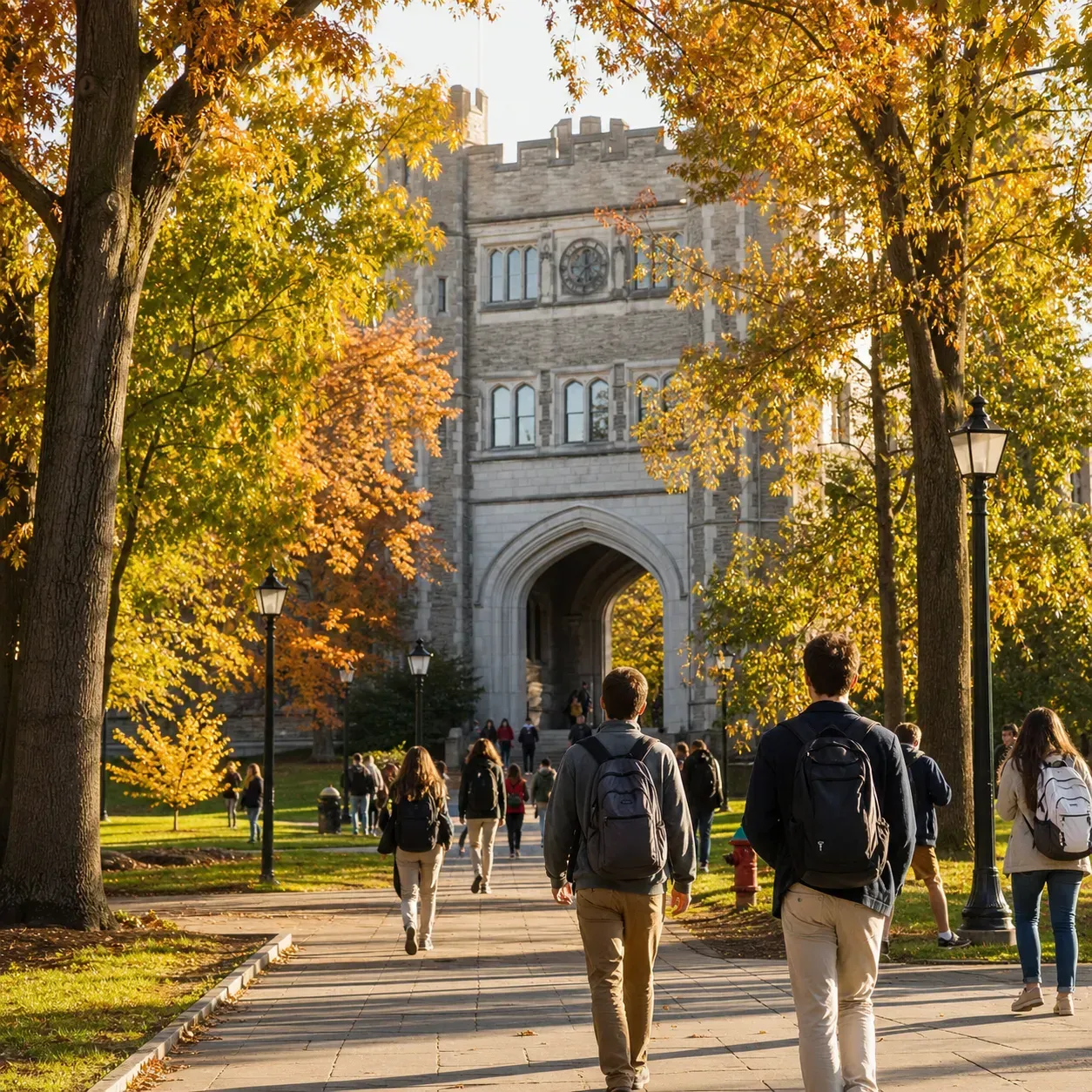
Princeton University: Ivy League Leader, Undergraduate-Focused Education, and Need-Blind Aid for International Students
A complete Princeton University profile covering admissions data, costs, need-blind aid for international students, signature academic programs, campus culture, and preparation strategies for Taiwanese families.
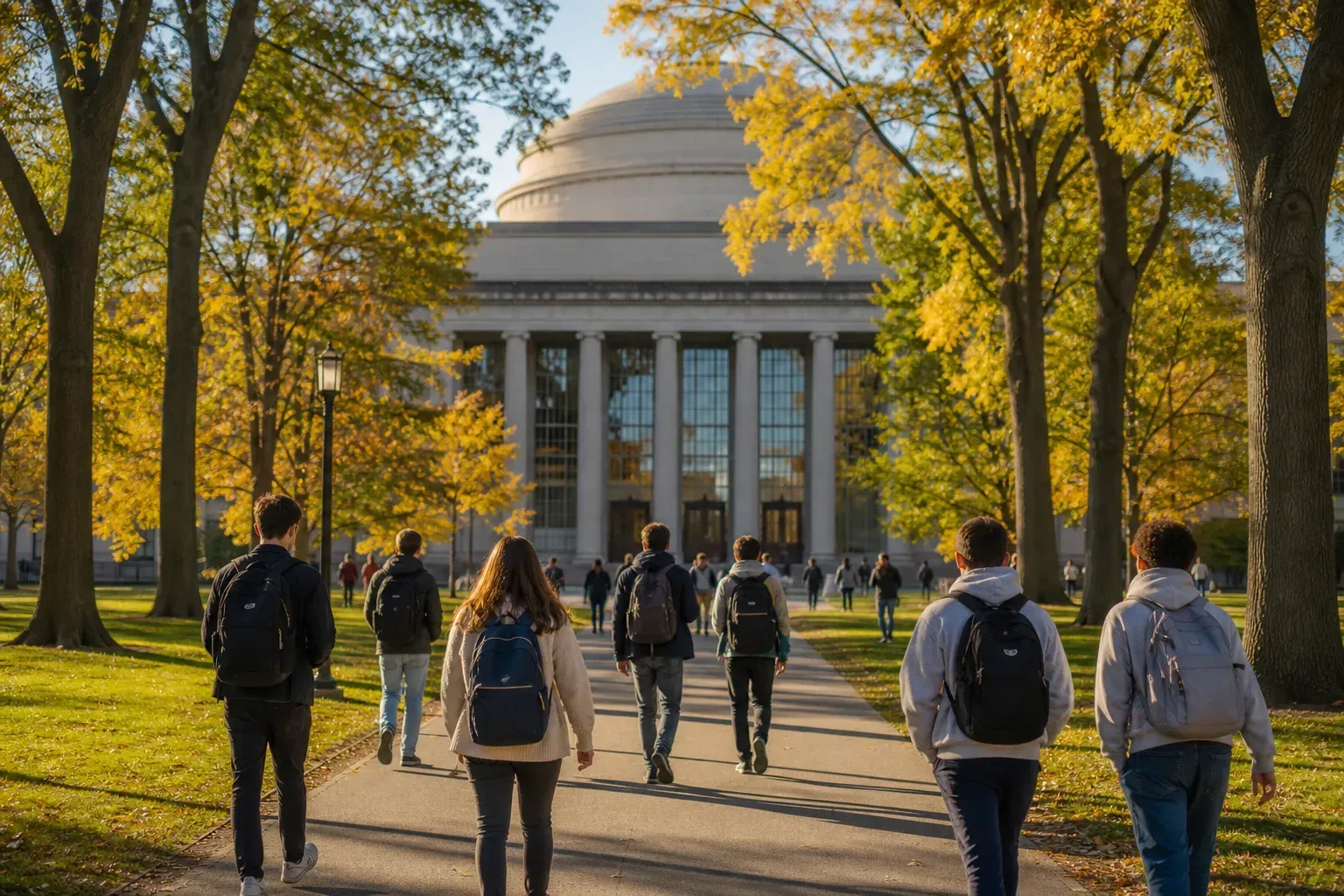
MIT: A Dream Destination for STEM Students, Hack Culture, and IAP
A complete guide to MIT, the world-renowned STEM powerhouse. With an admission rate of just 4%, a median SAT of 1560, and need-blind aid for international students, MIT is the ultimate destination for Taiwan's top STEM applicants.
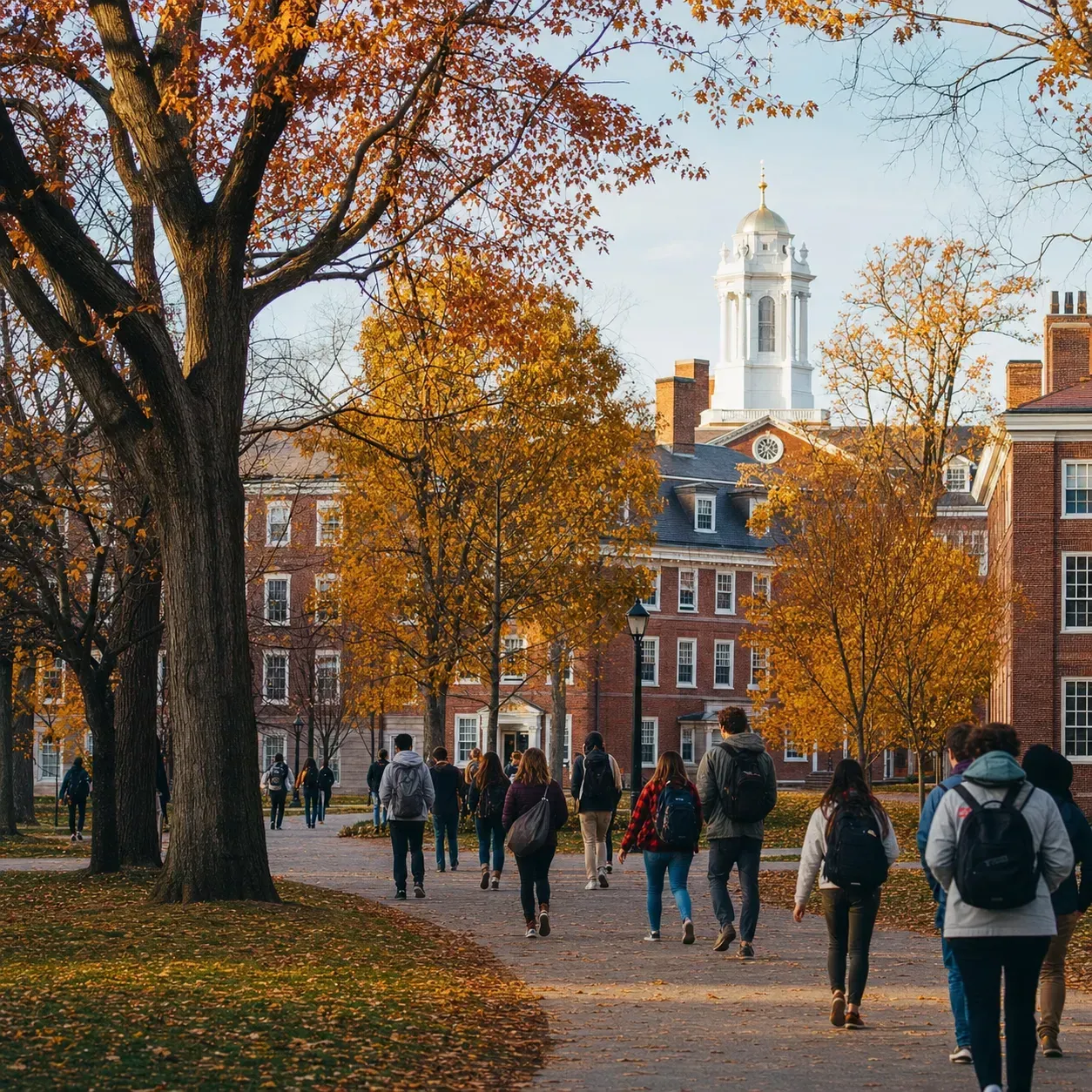
Harvard University: America’s Oldest University, Final Clubs, and a Lifetime Identity Card
Harvard is more than rankings and brand prestige. Its real value lies in a lifelong network that continues to open doors decades after admission.
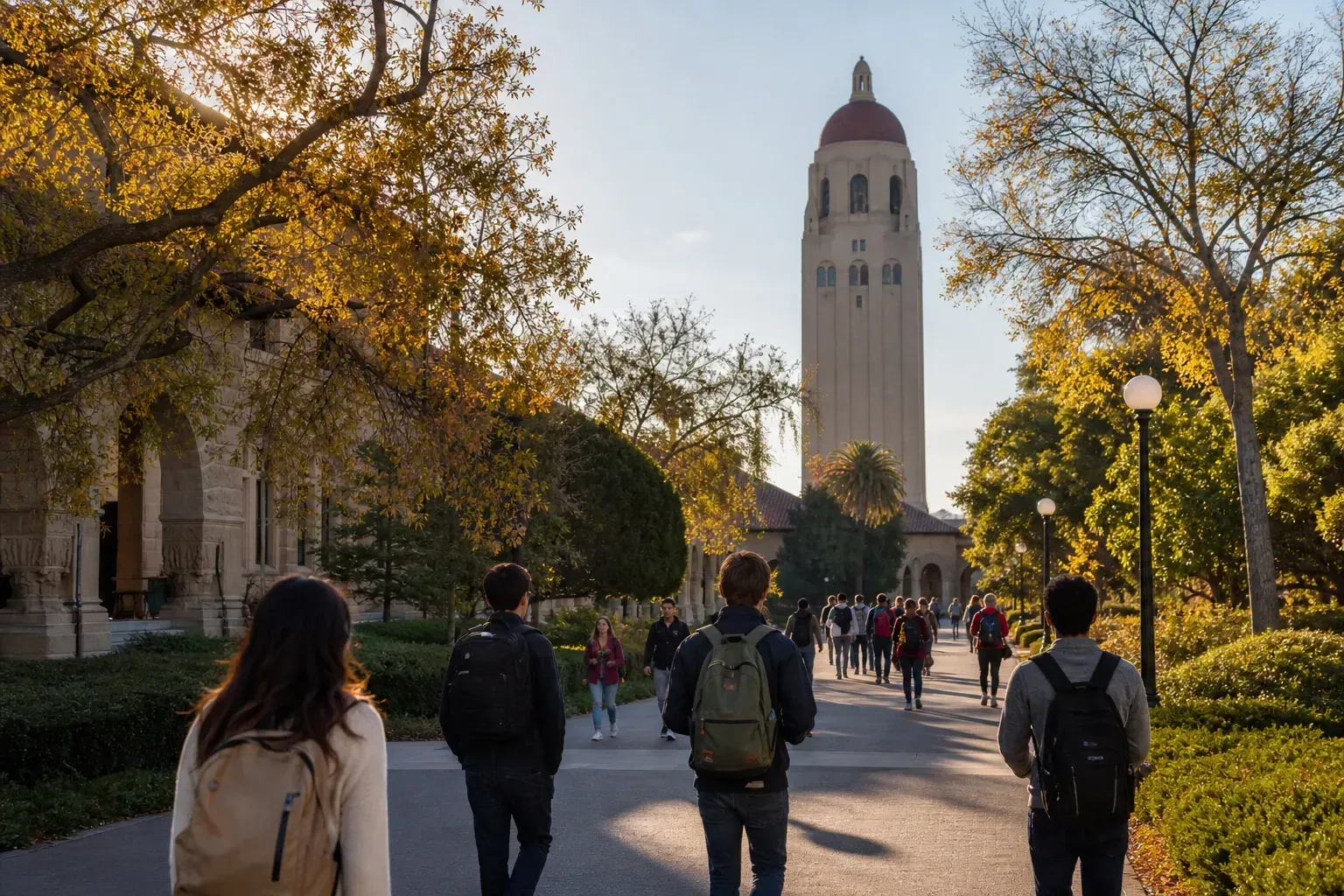
Stanford University: Silicon Valley Culture, Spike Culture, and Interdisciplinary Programs
Stanford is not the “Harvard of the West.” It is a different kind of elite university: a Silicon Valley incubator that admits students with a real Spike and trains them to turn research into companies.
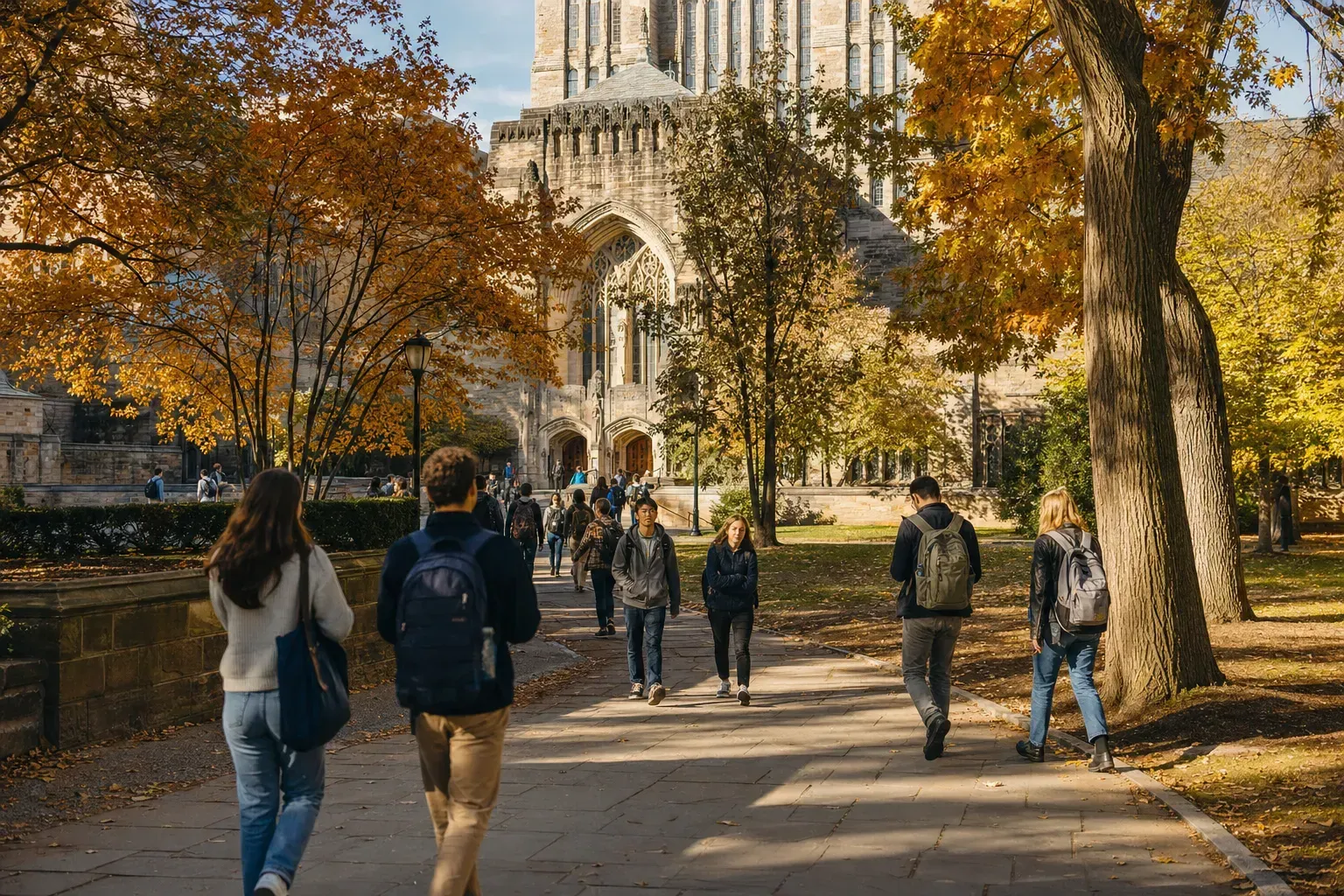
Yale University: The Ivy League's Humanistic Heart, Residential Colleges, Drama, and Political Legacy
Yale University is the Ivy League school most reminiscent of Hogwarts, with 14 residential colleges, a legendary drama tradition, and deep roots in American politics, law, and the humanities.

California Institute of Technology: America's Most Hardcore STEM University, Smallest Scale, Honor Code
A complete guide to Caltech. 3.1% acceptance rate, only 235 incoming freshmen, median SAT 1550. The university with the highest Nobel laureates per capita in the world: should Taiwan's science prodigies choose Caltech over MIT?
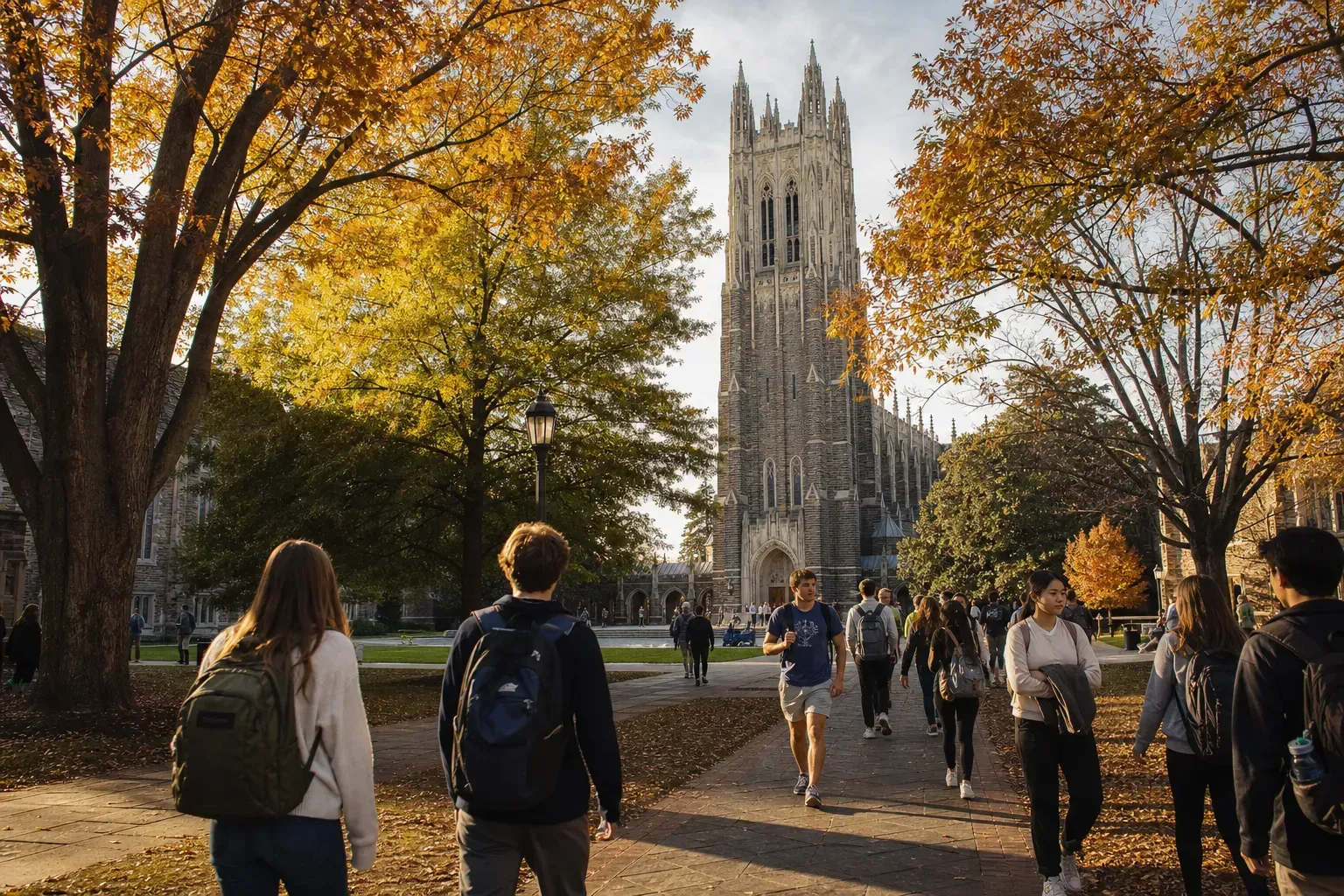
Duke University: Southern Ivy, Trinity + Pratt Dual Colleges, Basketball Culture
Duke is one of the most "American college experience" schools in the Top 10: elite academics, blue-and-white basketball energy, Greek Life, Southern sunshine, Trinity + Pratt flexibility, and a meaningful ED advantage.
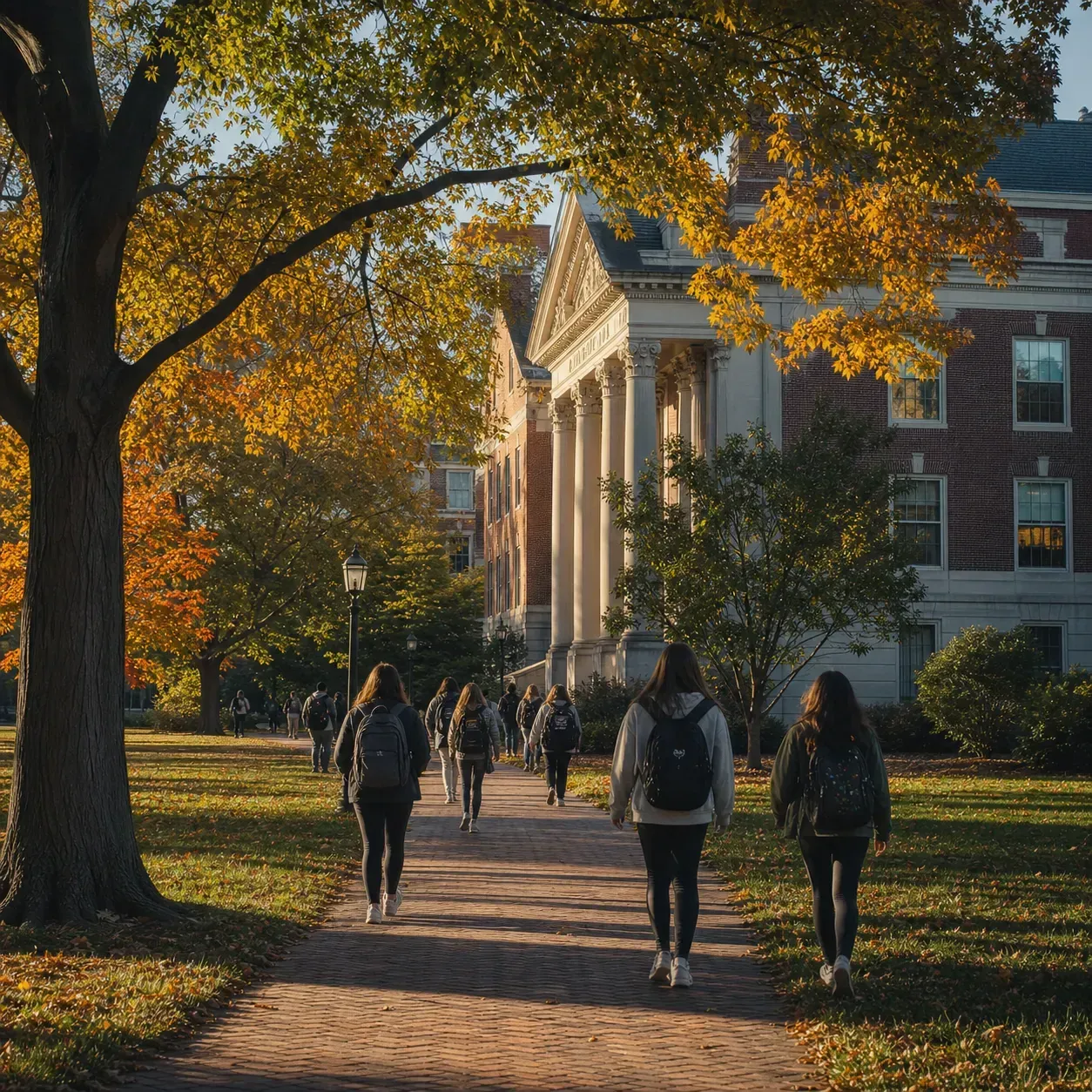
Johns Hopkins University: America’s First Research University, King of BME, and a Medical Powerhouse
Johns Hopkins University is America’s first research university and one of the strongest global pipelines for pre-med, biomedical engineering, and public health.
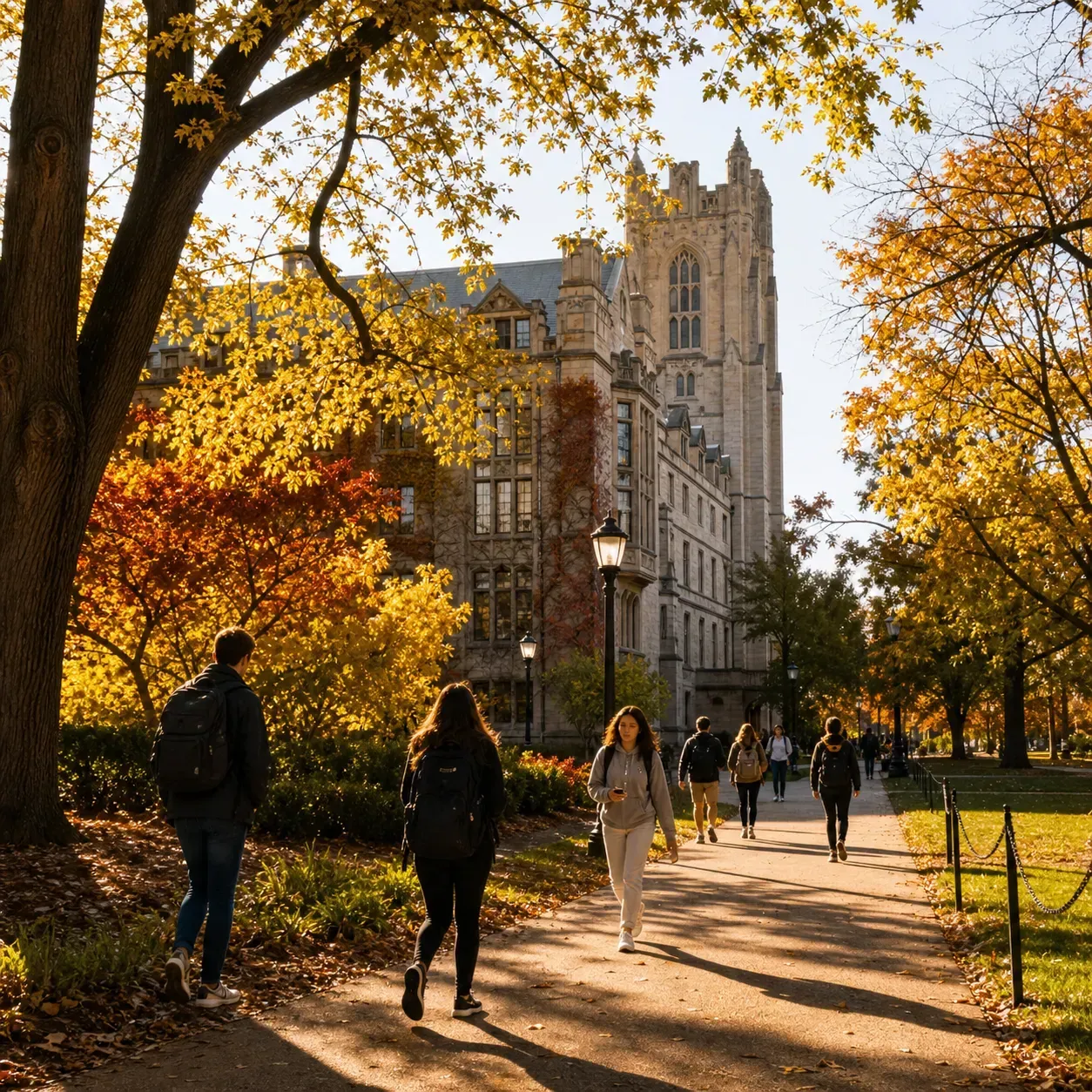
Northwestern University: Lakeside Chicago, Medill Journalism, and Flexible Combinations Across 6 Schools
Northwestern is one of the strongest private universities in the Midwest, combining Medill journalism, Kellogg business, McCormick engineering, Bienen music, and rare cross-school flexibility.
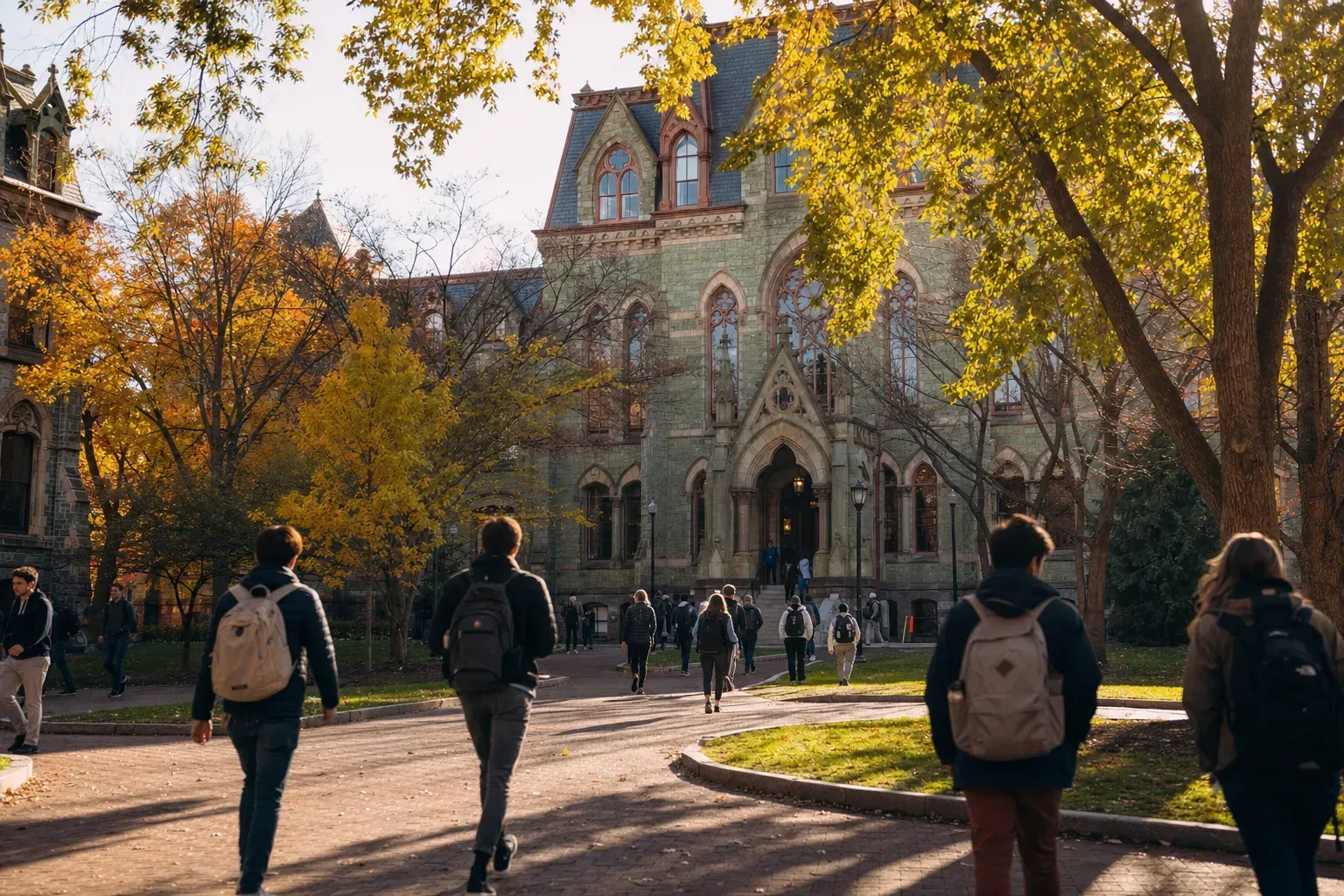
University of Pennsylvania: Wharton’s Business Powerhouse, the Most Practical Ivy, and a Major ED Advantage
UPenn is the Ivy League’s most practical, business-oriented university, anchored by Wharton, dual-degree pathways, an urban Philadelphia campus, and one of the strongest Early Decision advantages among top schools.
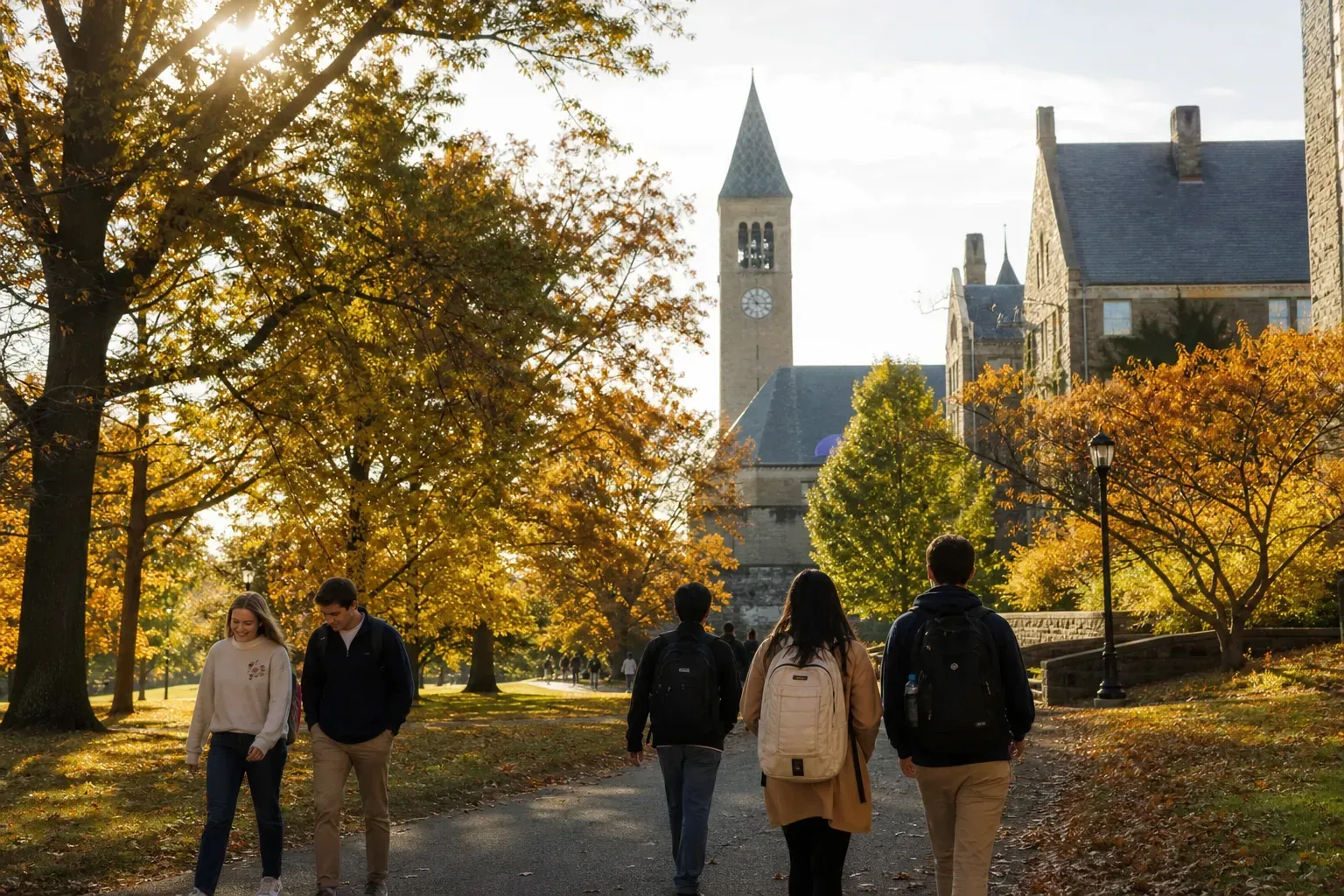
Cornell University: Seven Colleges, Signature Ag/Hotel Programs, and the Largest Ivy
Cornell is the largest Ivy League university, with seven undergraduate colleges, standout programs in agriculture, hotel administration, engineering, and business, and one of the most college-specific application processes in the Top 15.
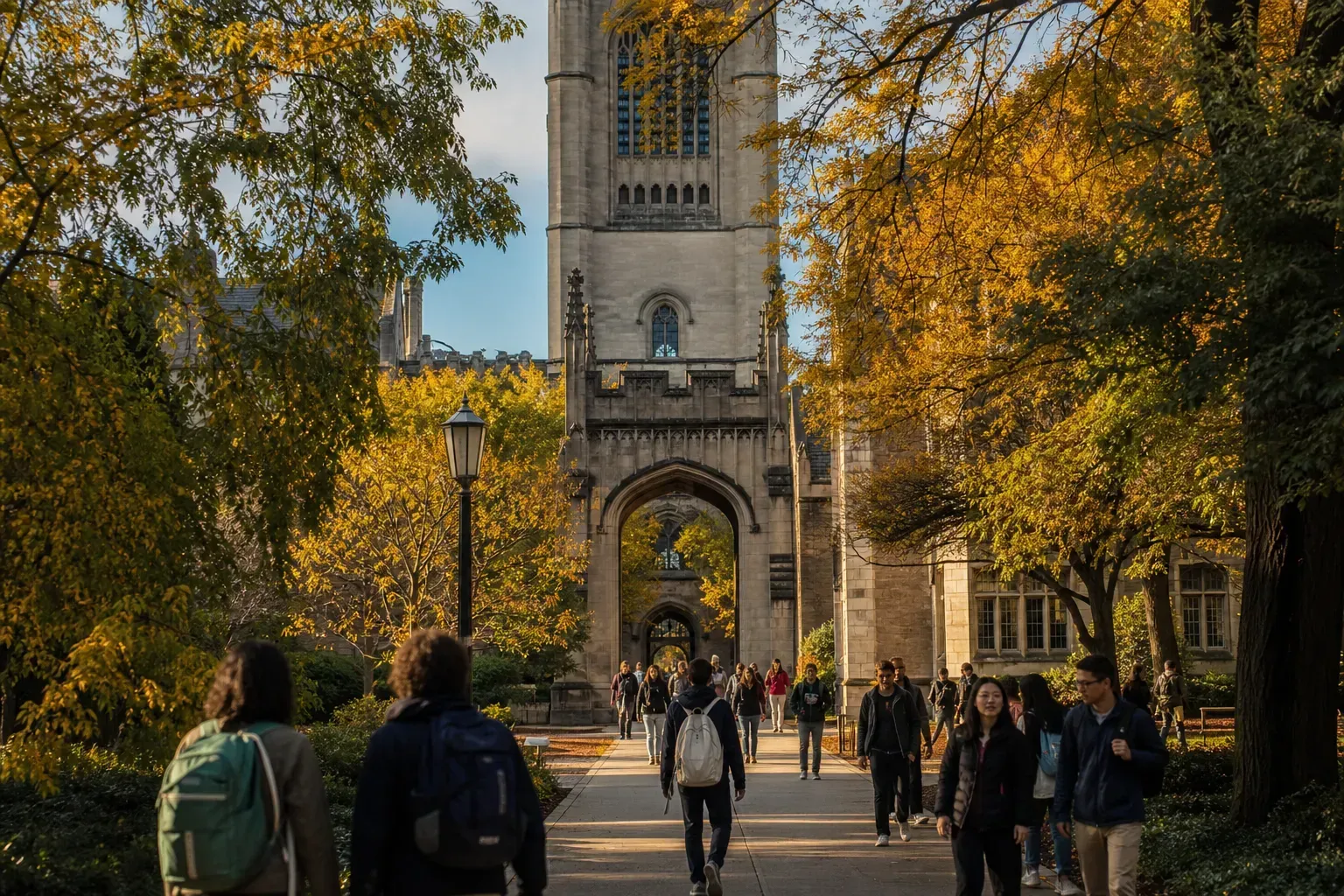
University of Chicago: Core Curriculum, Life of the Mind, Where Fun Goes to Die
UChicago is for students who love thinking more than being seen. This guide covers admissions, academics, culture, costs, and fit.
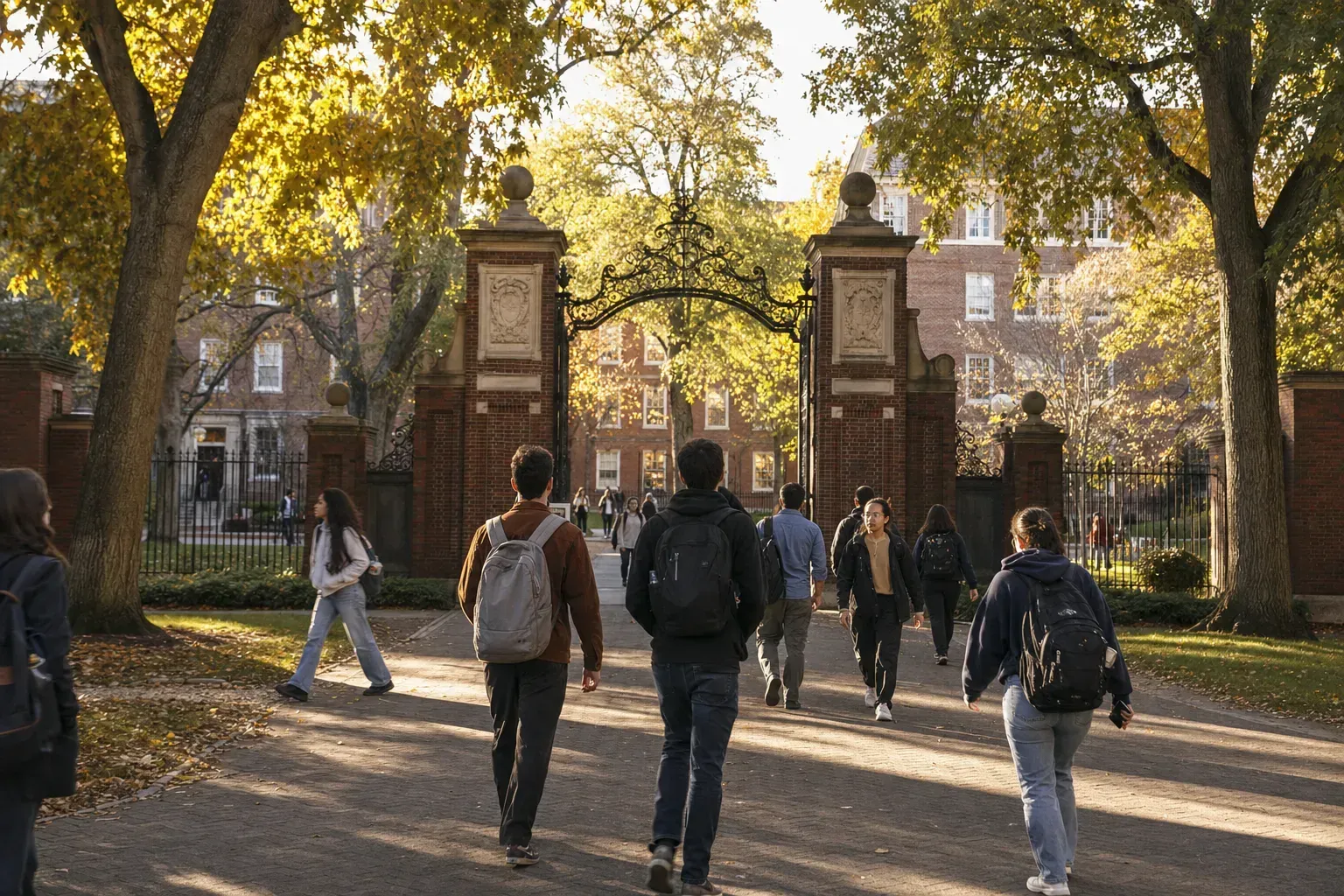
Brown University: Open Curriculum, Self-Directed Learning, and the Freest Ivy
Brown is the Ivy League school built around freedom: no core curriculum, flexible grading, and a culture that rewards curiosity, independence, and self-directed learning.
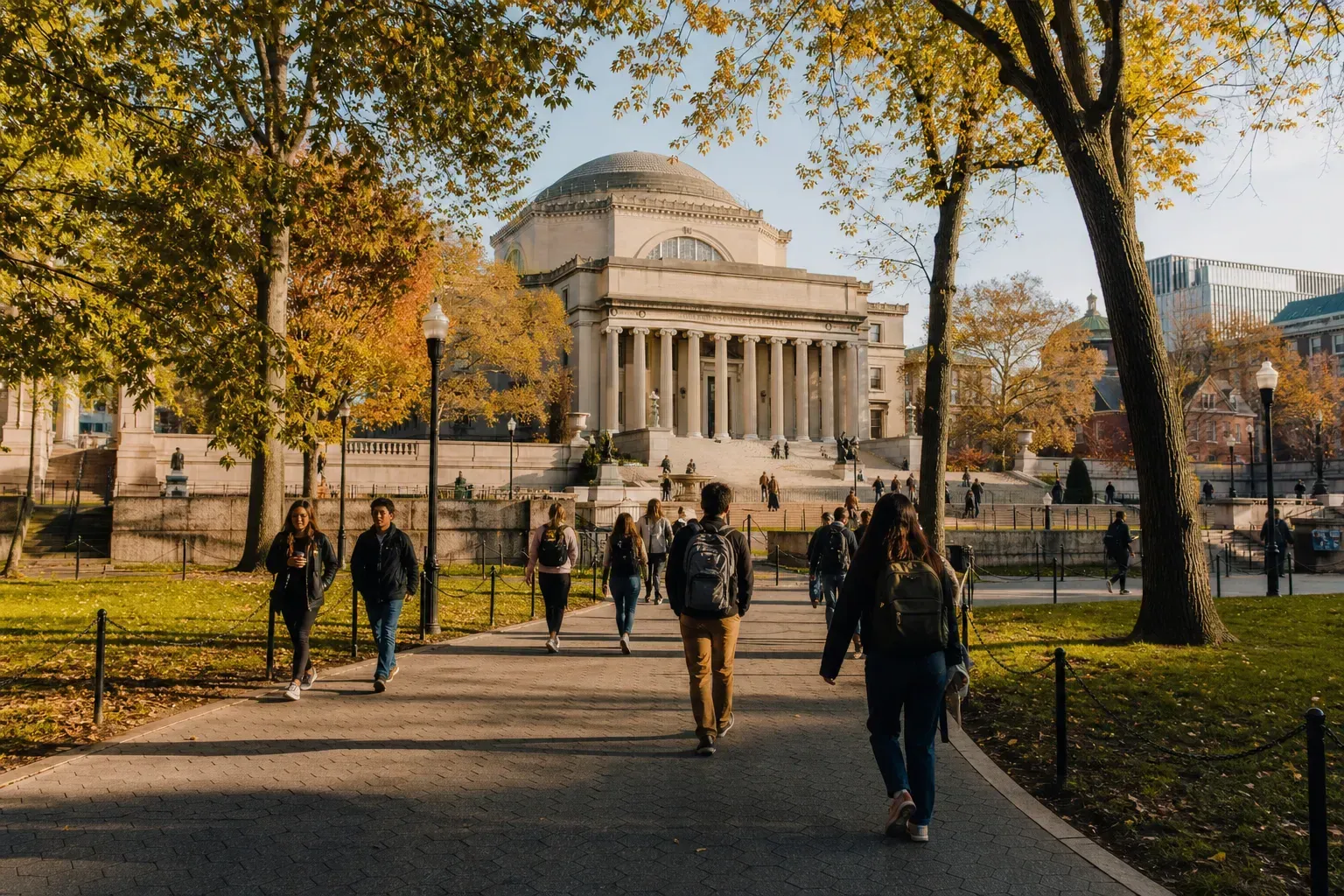
Columbia University: Core Curriculum, the Heart of New York City, and the Most Urban Ivy
Columbia University combines the Ivy League’s classic liberal arts tradition with the unmatched resources of New York City. This guide covers admissions data, the Core Curriculum, campus culture, costs, financial aid, and fit for international students and families.
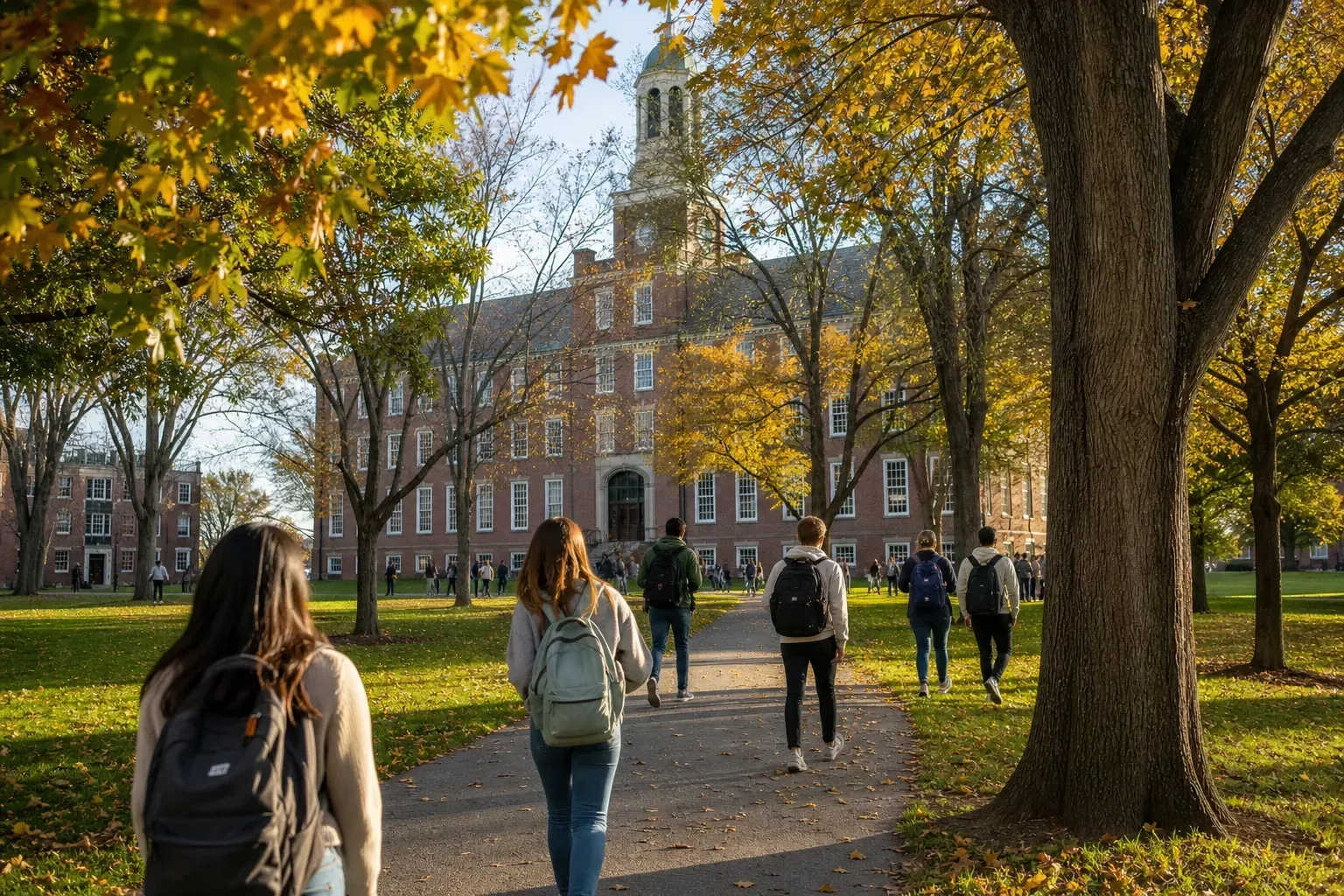
Dartmouth College: D-Plan, the Smallest Ivy, and Outdoor Culture
Dartmouth is the smallest, most traditional, and most liberal arts college-like member of the Ivy League. Its D-Plan, outdoor culture, and tight-knit community make it a uniquely distinctive choice.
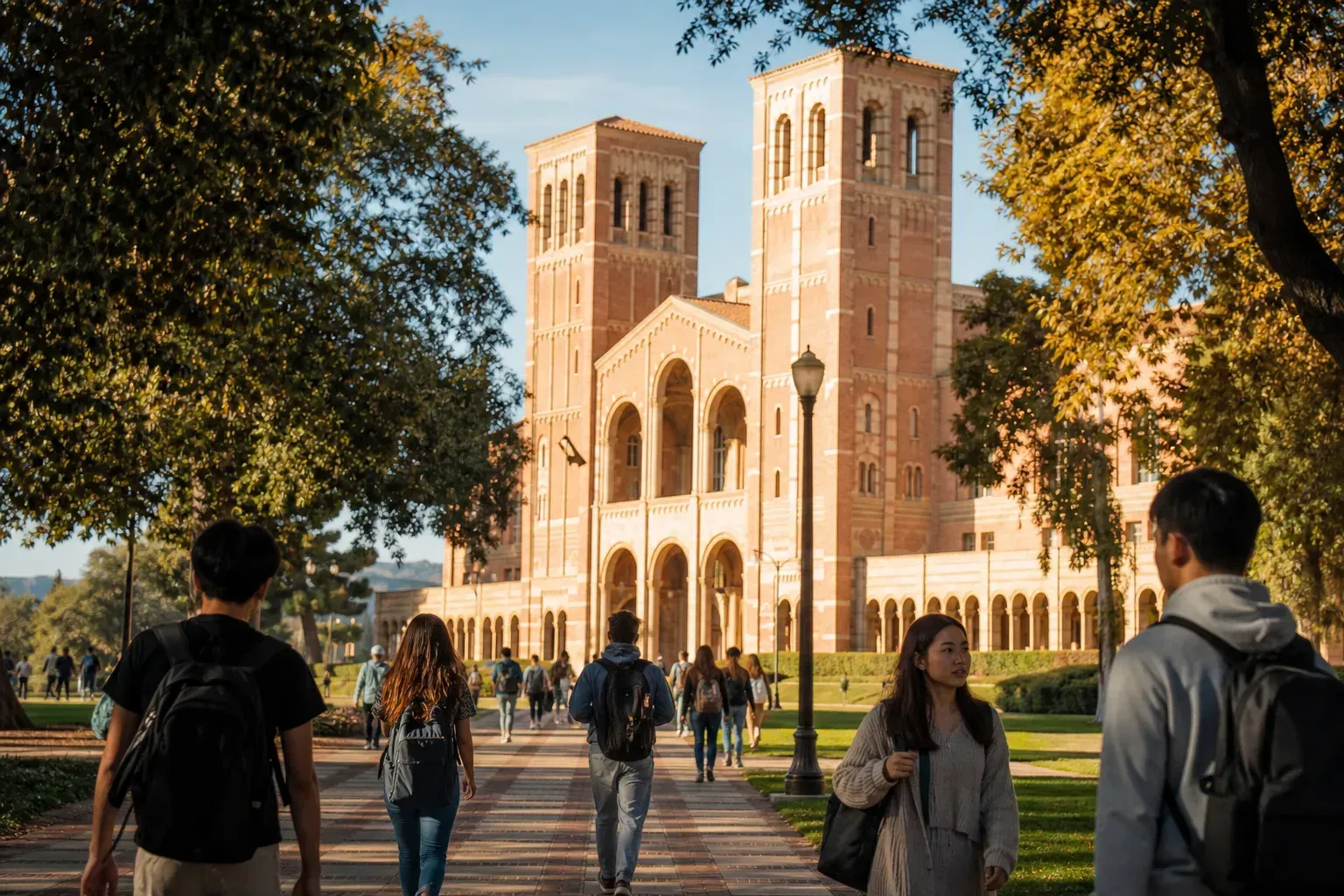
UCLA: A Public Ivy, LA Campus, and Powerhouse in Athletics and the Arts
UCLA is a Top 15 public university with unmatched resources, an LA location, elite athletics, and explosive application volume. For international students, however, UCLA is essentially self-funded, with annual costs around USD $70,000+ and almost no need-based aid.
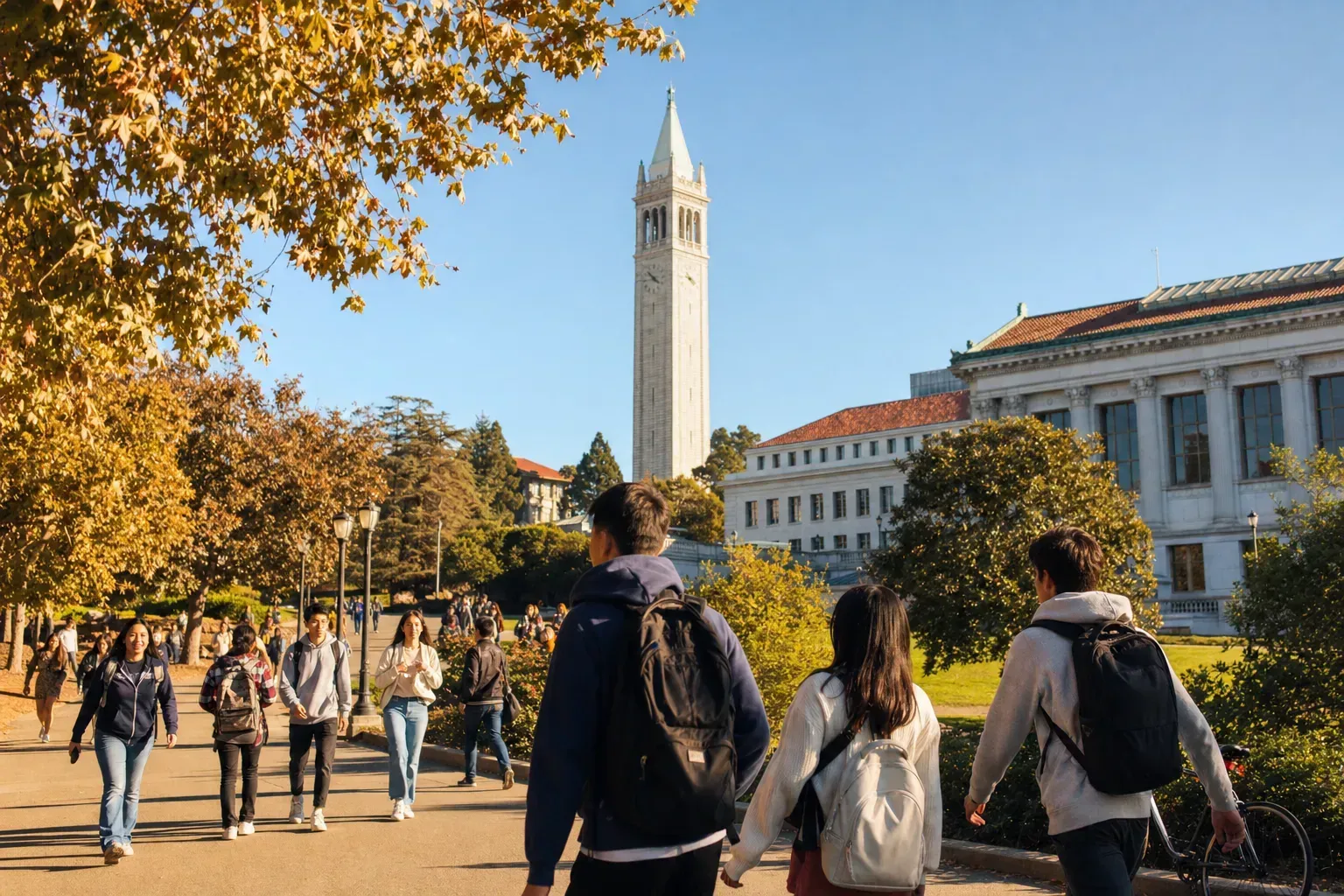
UC Berkeley: Public Ivy, EECS/Haas Powerhouse, Stanford’s Archrival
A complete UC Berkeley profile: 11% acceptance rate, EECS ranked Top 2 in the U.S., and Haas Business School in the Top 10. Why is Berkeley considered the leading “Public Ivy”? How should Taiwanese families evaluate this public flagship known for academic intensity and a rebellious spirit?
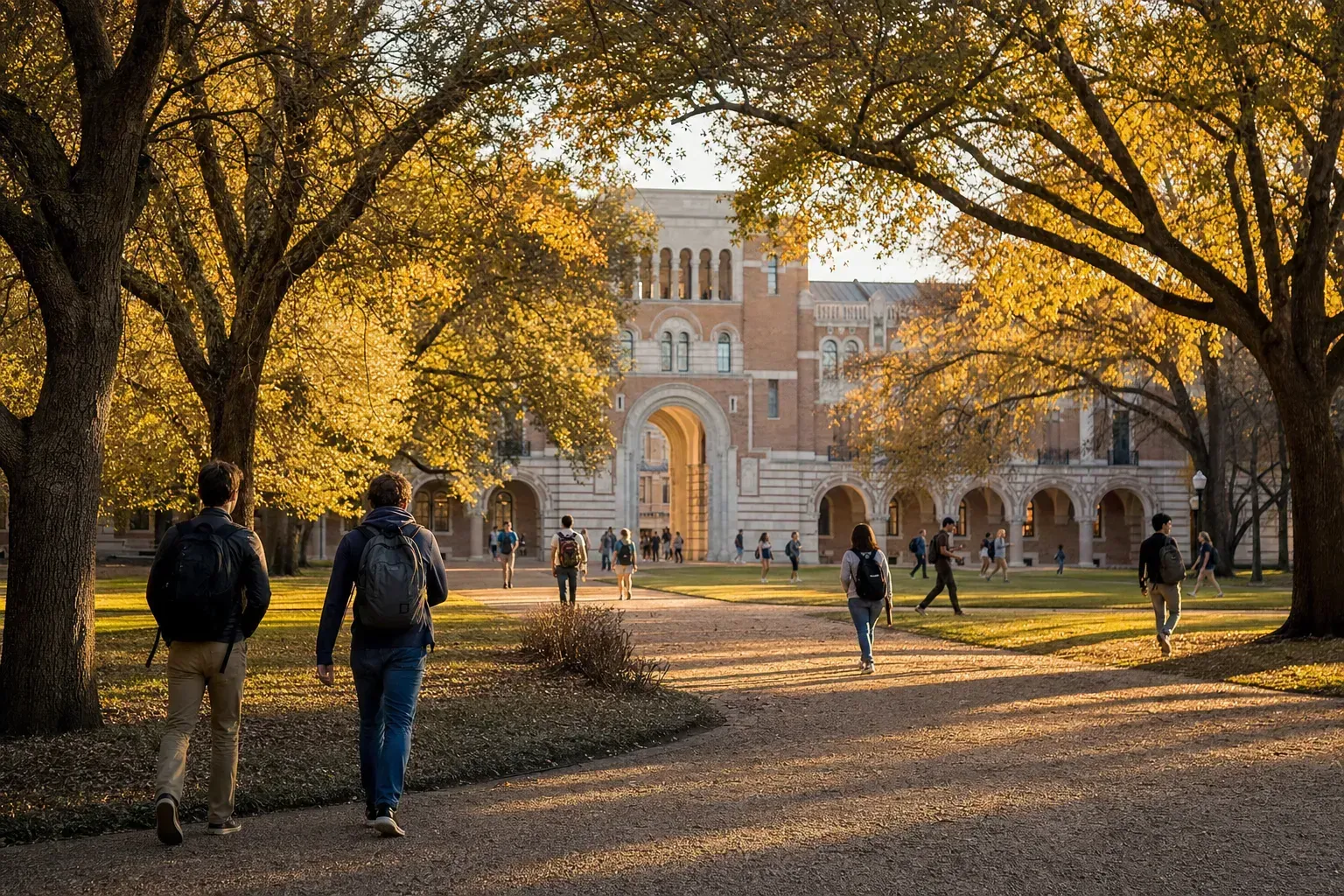
Rice University: Residential Colleges, Houston Campus, and the Ivy of the South
Rice is one of the most overlooked Top 20 universities among Taiwanese families. With Ivy-level academics, a 1:6 student-faculty ratio, 11 Residential Colleges, and exceptional access to Houston's medical and energy industries, it offers a rare blend of academic rigor, community, and value.
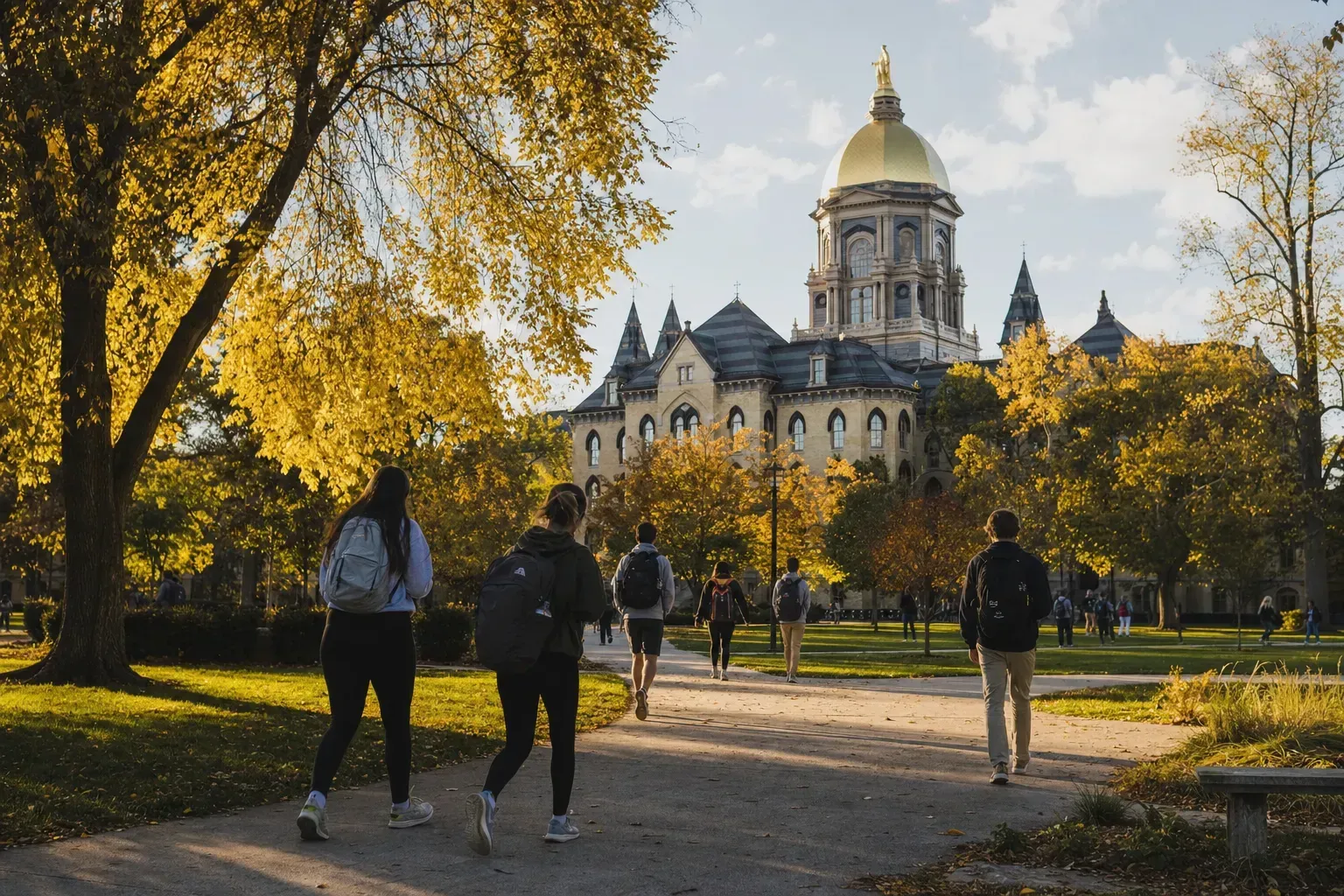
University of Notre Dame: Catholic Tradition, Fighting Irish, and the Most Devout Top 20 University
Notre Dame is the only Catholic university in the Top 20 and one of the most alumni-loyal schools in the United States. From Mendoza Business to Fighting Irish football and mandatory theology courses, its defining question is not only academics, but fit.
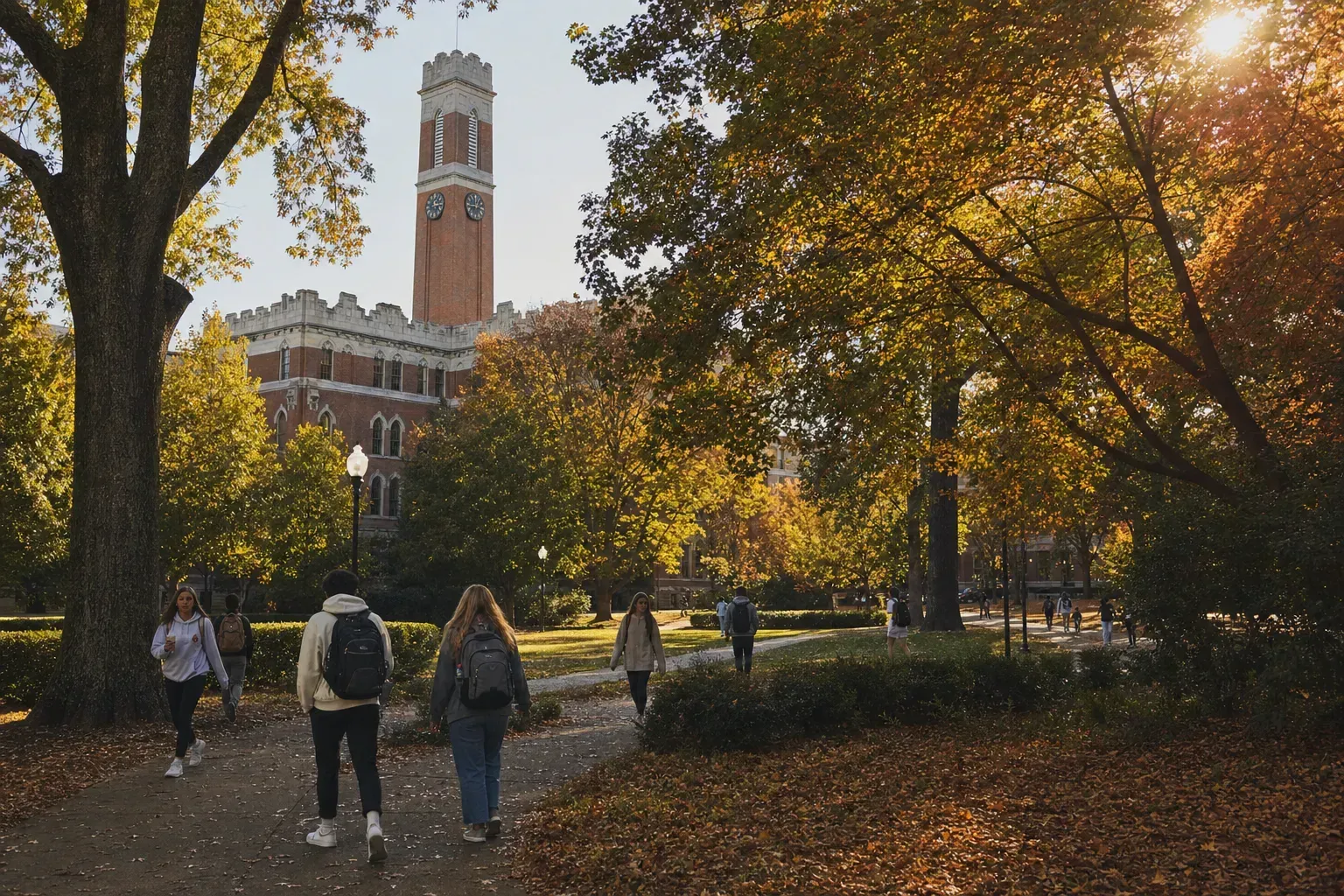
Vanderbilt University: Peabody Education, Nashville Campus, and the Harvard of the South
Vanderbilt combines Ivy-level academics, Southern hospitality, and the energy of Music City. A complete guide to admissions, academics, campus culture, aid, and fit.
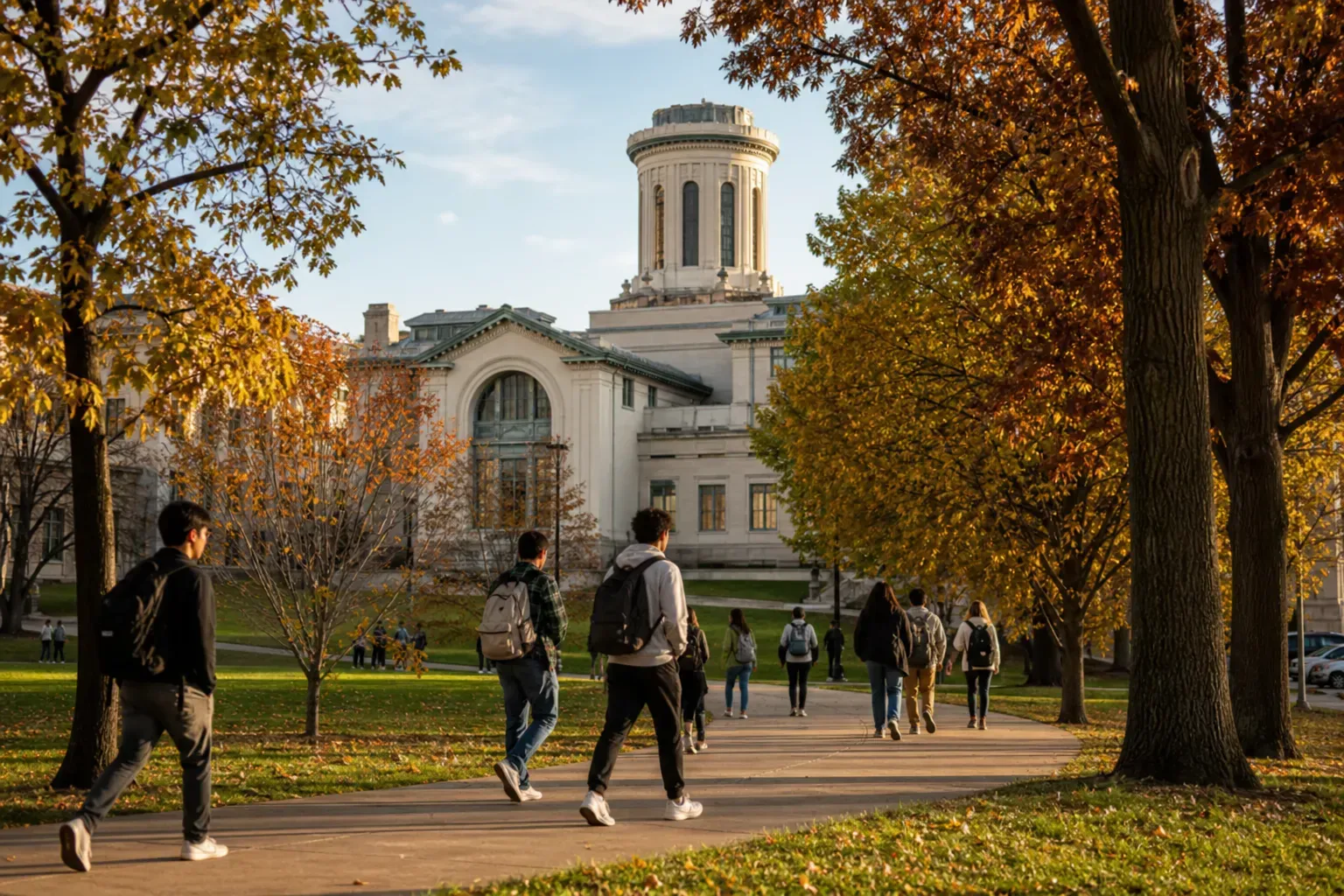
Carnegie Mellon University: America’s #1 SCS for Computer Science, Interdisciplinary DNA, and Pittsburgh’s Steel City Edge
Carnegie Mellon University combines America’s top-ranked Computer Science program, elite drama training, and a deeply interdisciplinary culture in Pittsburgh’s fast-rising tech ecosystem.
University of Michigan: A Leading Public Ivy, Ross/Engineering, and the Ann Arbor Spirit
A complete UMich profile: 17% OOS acceptance rate, Top 5 Ross School of Business, and Ann Arbor campus culture. Why is this Public Ivy one of the most important “public vs. private” choices among Top 25 universities for Taiwanese families?
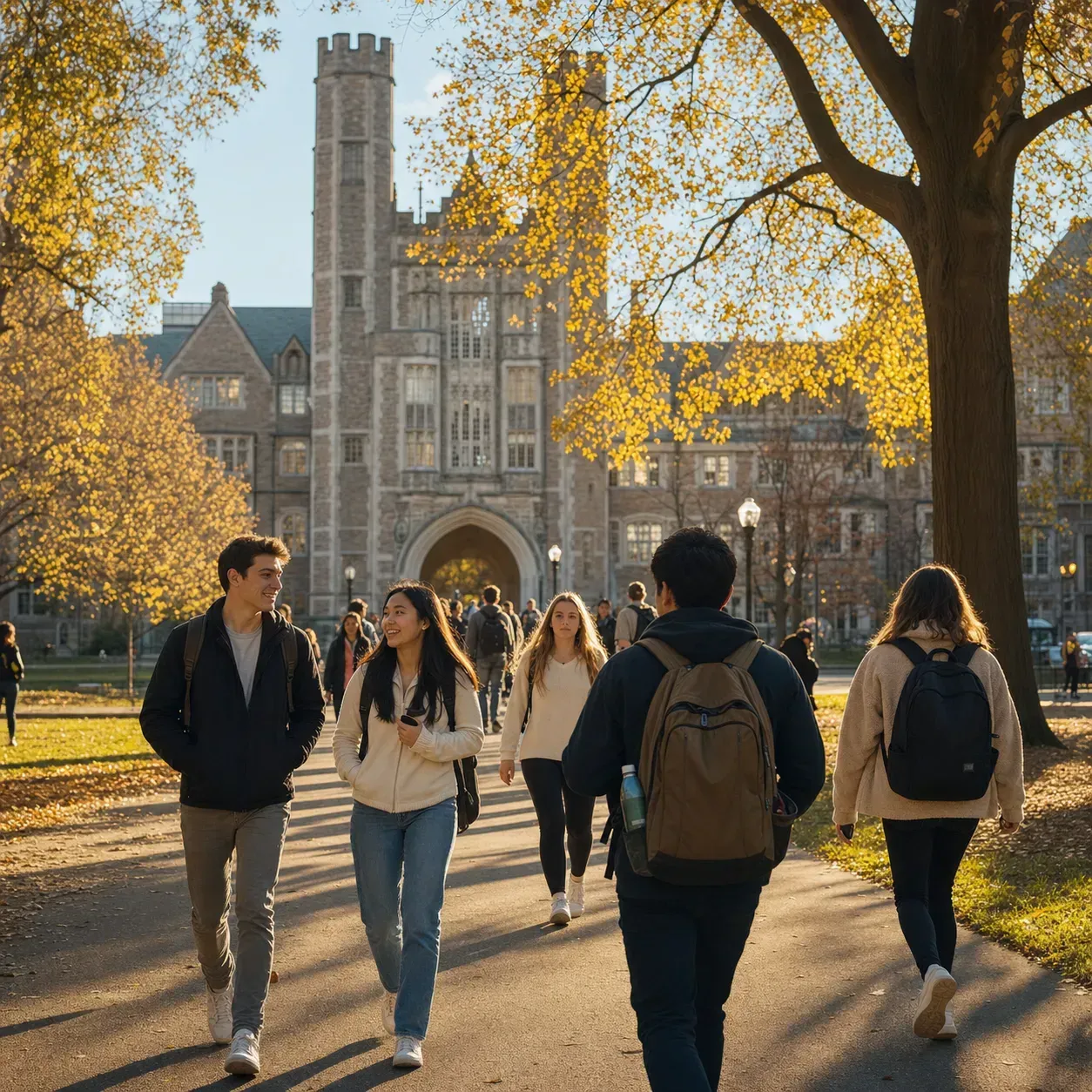
Washington University in St. Louis: Medical School Powerhouse, Olin Business, and an ED Strategy School
WashU is one of the most underrated Top 25 universities among Asian families: a pre-med dream school, a strong business option, and a university where ED can be the key to admission.
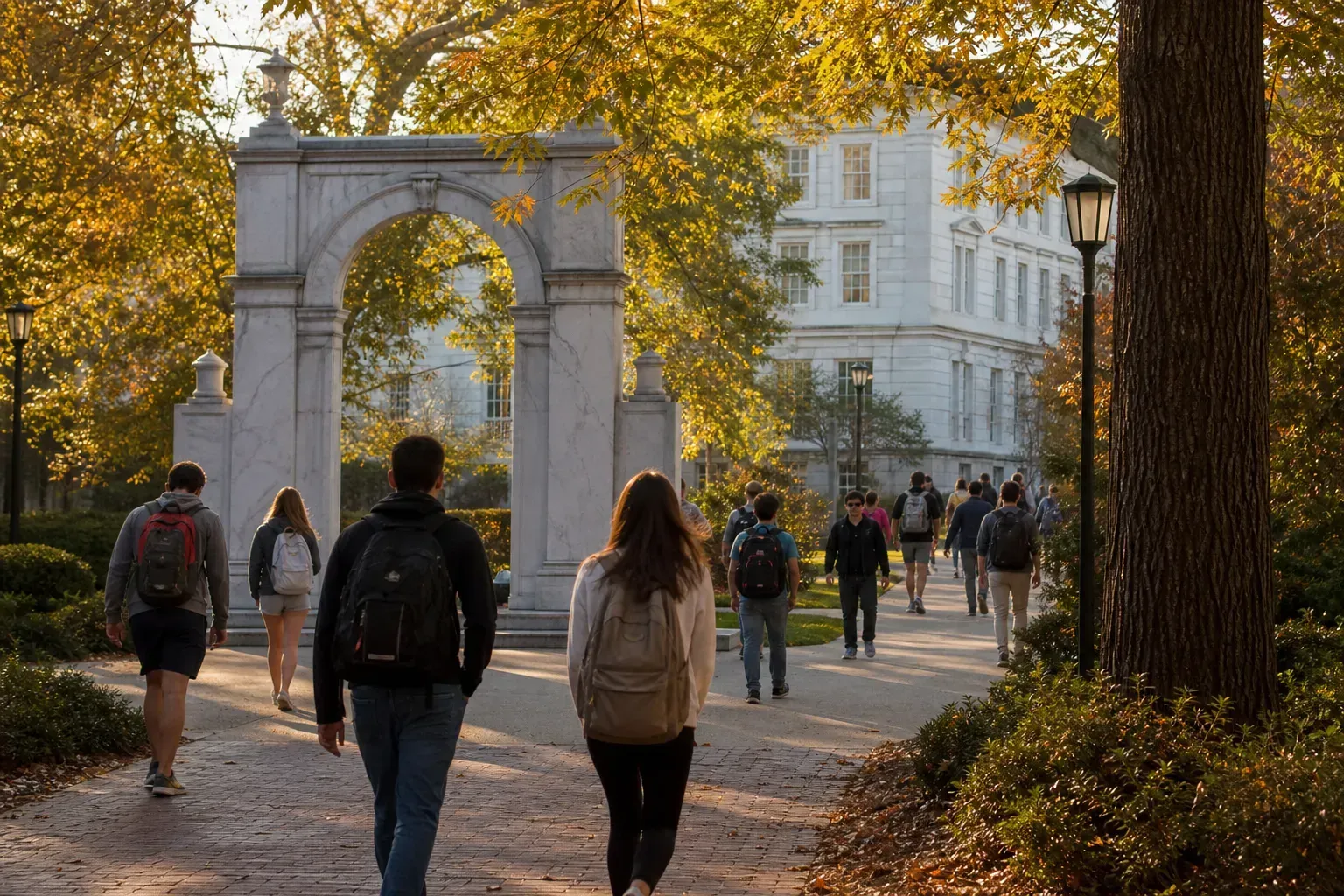
Emory University: Atlanta Urban Campus, Goizueta Business, Across from the CDC
Complete Emory profile: 13% acceptance rate, Top 20 Goizueta Business School, Atlanta home of the CDC and Coca-Cola. Why is Emory the "Southern Private Ivy" with strengths in both healthcare/public health and business? How should Taiwanese families evaluate it?
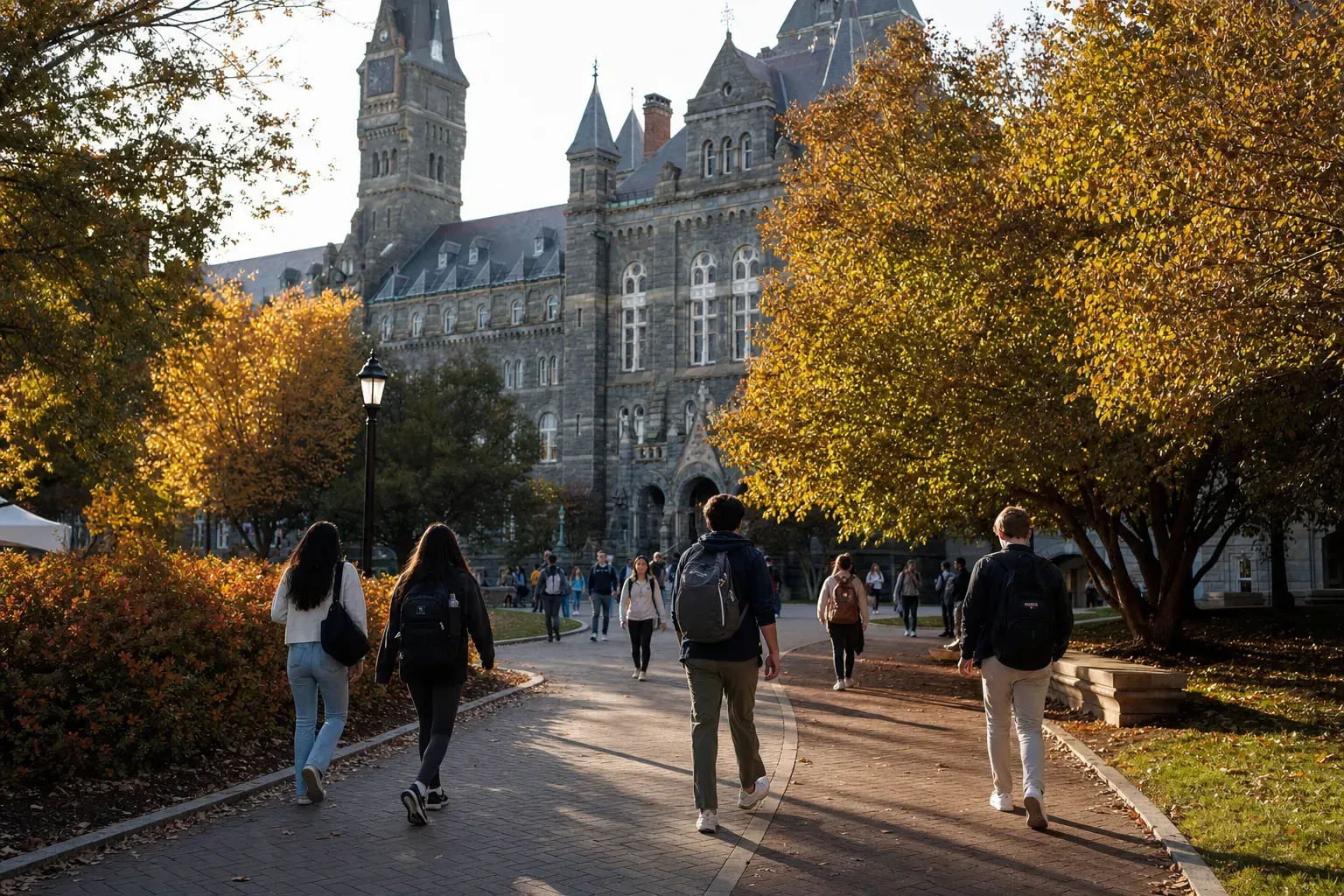
Georgetown University: Washington, DC, the SFS, and No Common App
A complete profile of Georgetown: 13% acceptance rate, the nation's #1 undergraduate school for foreign service, and no Common App. Why is Georgetown the most irreplaceable Top 25 university for future politicians and diplomats?
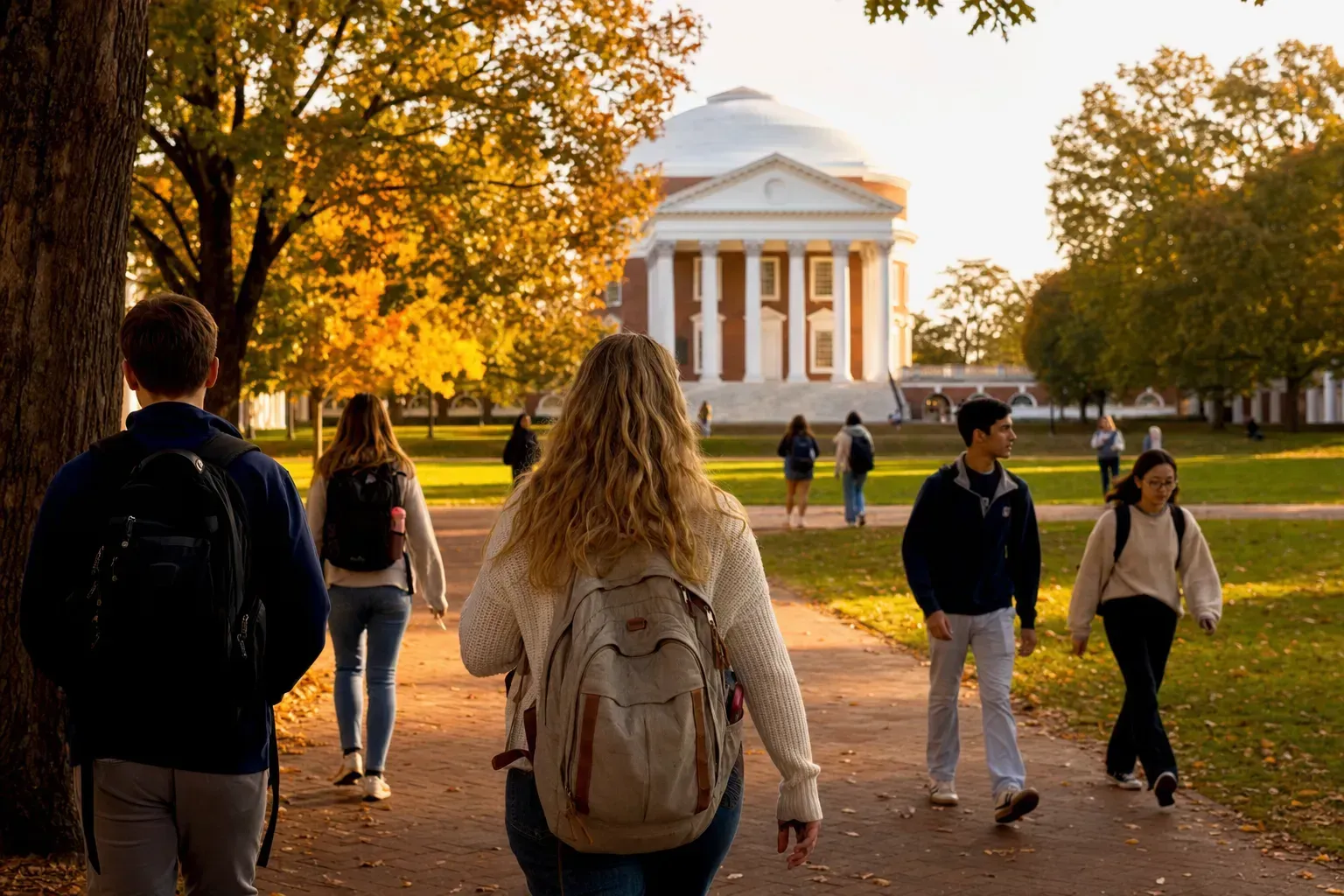
University of Virginia: Founded by Jefferson, Honor Code, and America’s Most Beautiful Public Ivy
A complete UVA profile: 10% OOS acceptance rate, a campus personally designed by Jefferson, and an Honor Code tradition of self-governance. Why is UVA called the “Oxford of public universities”? How should Taiwanese families evaluate this Top 25 public university?
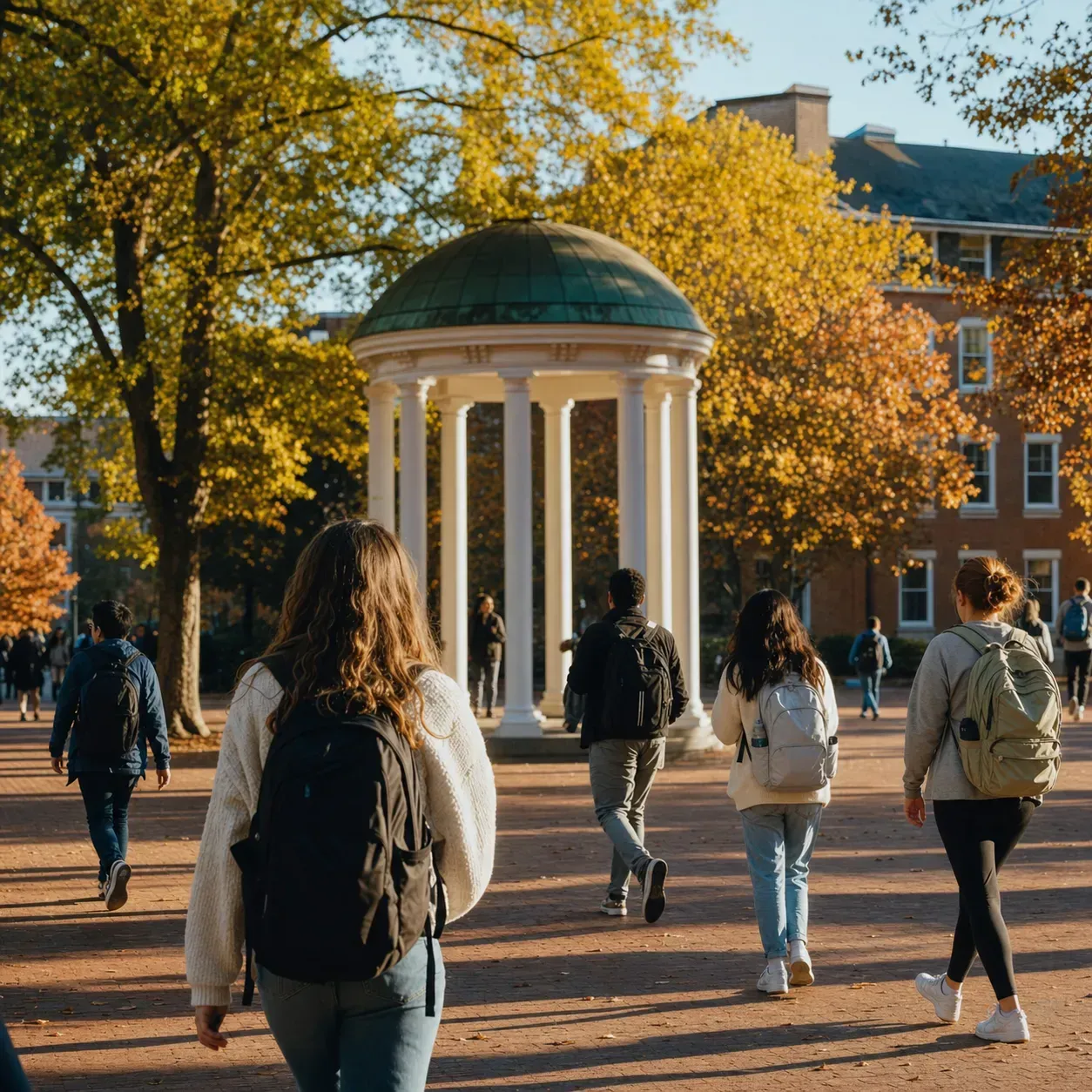
UNC Chapel Hill: Public Ivy, Morehead-Cain Full Scholarship, and a Southern Academic Powerhouse
UNC Chapel Hill is one of America's oldest and most prestigious public universities, known for Public Ivy academics, the Morehead-Cain full scholarship, elite public health, and a fiercely competitive OOS admissions landscape.

USC: The Trojan Network, Hollywood’s Industry Pipeline, and America’s No. 1 School of Cinematic Arts
Complete USC profile: 9.9% acceptance rate, No. 1 School of Cinematic Arts, lifelong Trojan Network, and a large private university on Los Angeles’s west side. Why is USC considered a gateway to Hollywood and business? How should Taiwanese families evaluate it?

UC San Diego: The 7 College System, Biomedical Research, and a La Jolla Oceanfront Campus
UC San Diego is one of the UC system’s most understated but academically strongest research campuses, known for its 7 College residential system, world-class biomedical and oceanography research, and La Jolla location.
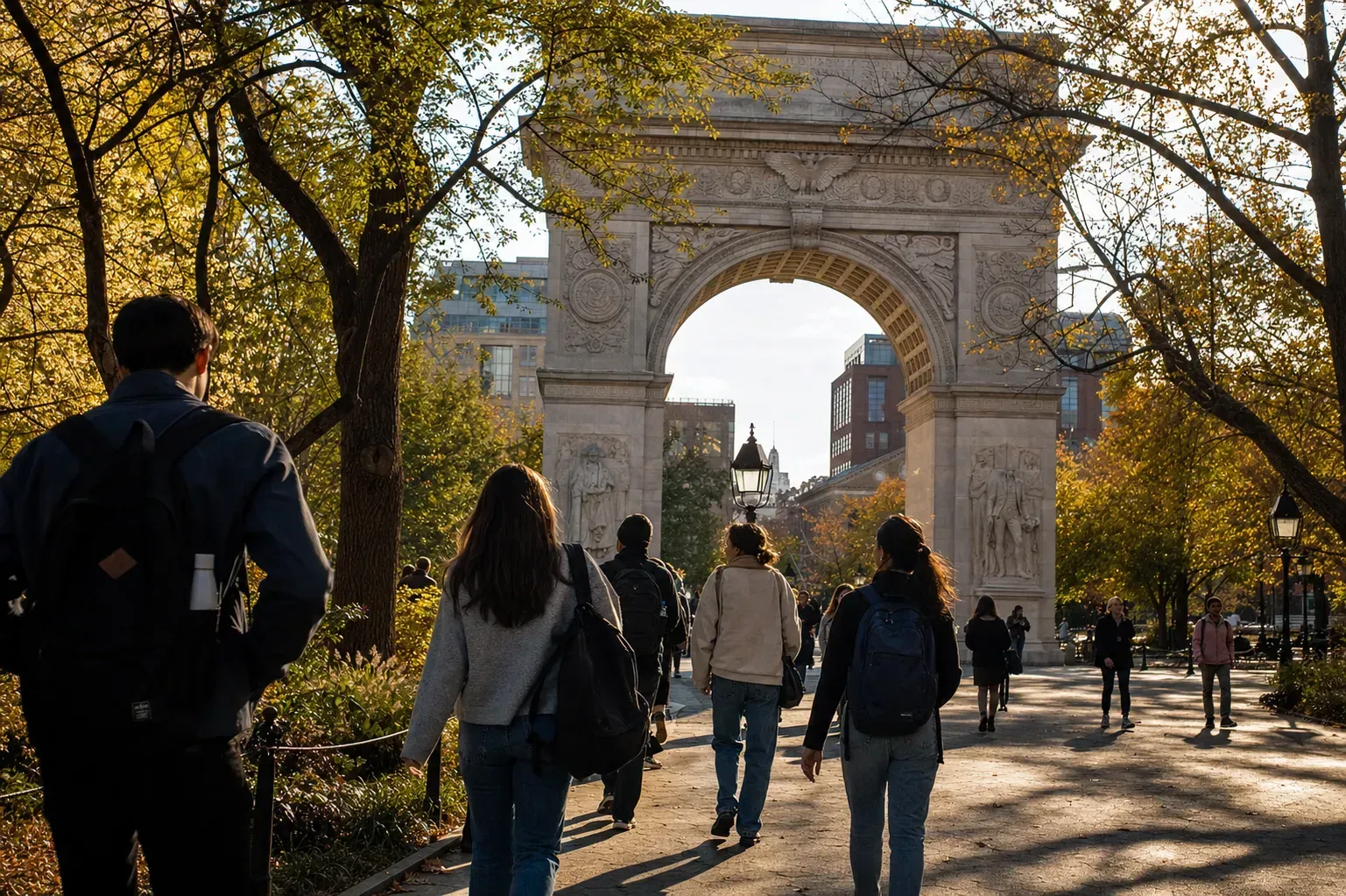
New York University: Manhattan’s Campus Without Walls, Stern School of Business, Tisch School of the Arts
NYU is the least traditional university among the Top 30: no walls, no gates, and no complete “campus.” Greenwich Village in Manhattan is its campus.
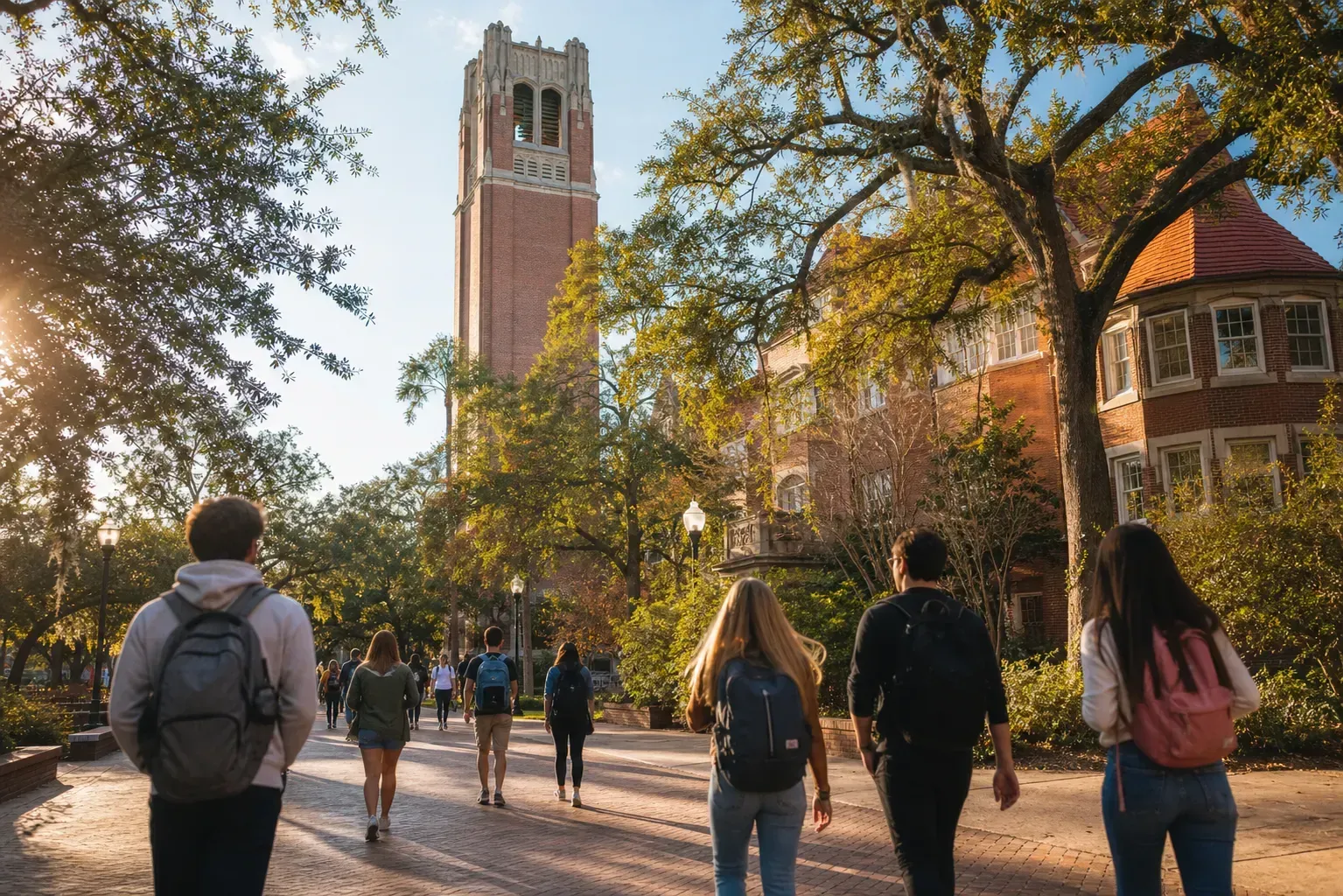
University of Florida: The South’s Public Ivy, Bright Futures, and Exceptionally Affordable In-State Tuition
UF is a Top 30 public university with the lowest total cost among its peers, powerful AI and agriculture research, and deep Gators culture. For Florida residents it is almost a “free Ivy”; for international students, the key question is whether its value, location, and culture fit your goals.
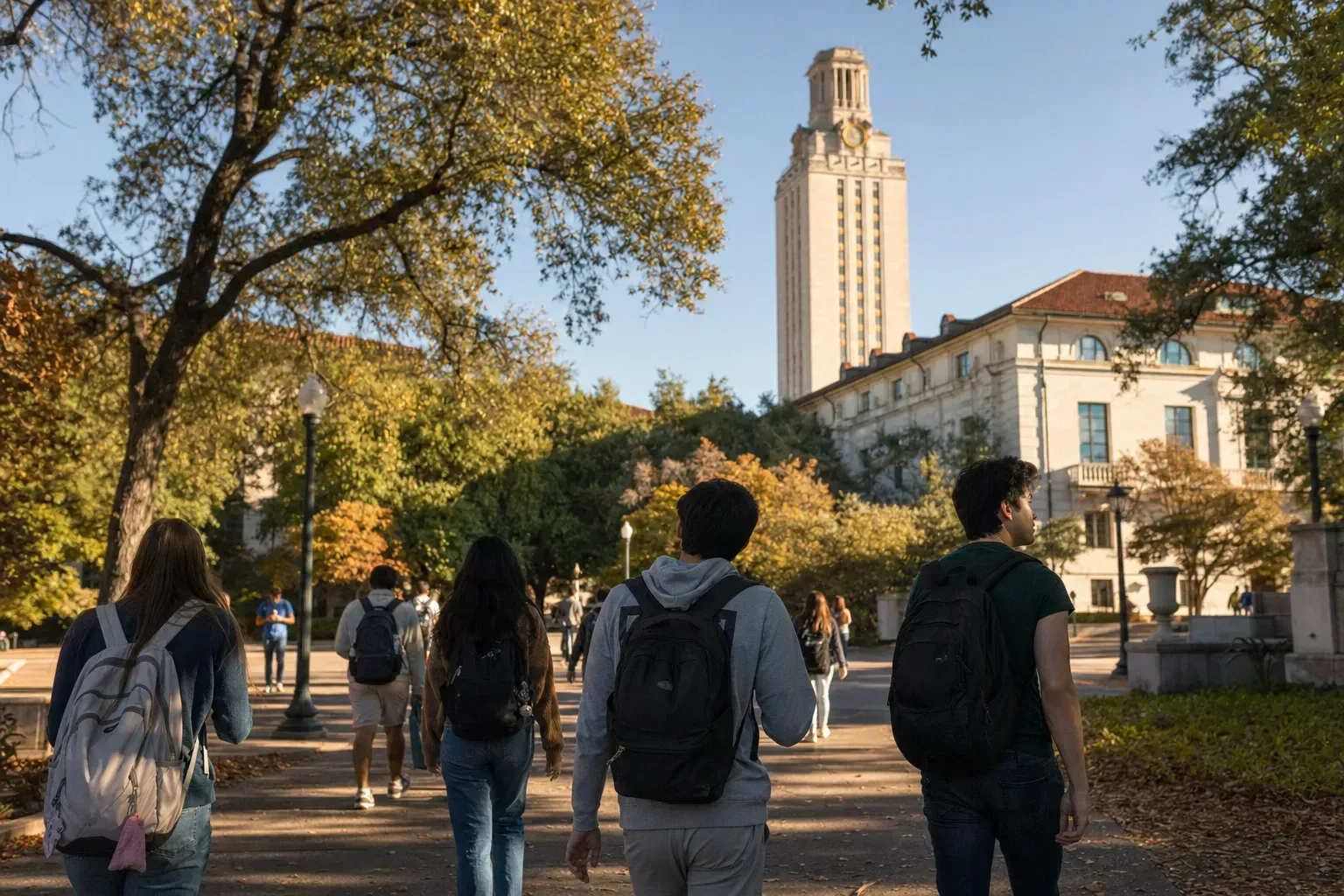
UT Austin: Hook 'em Horns, Cockrell Engineering, McCombs Business
UT Austin is one of America's leading public universities for engineering and business, powered by Cockrell Engineering, McCombs Business, and Austin's fast-growing tech ecosystem.
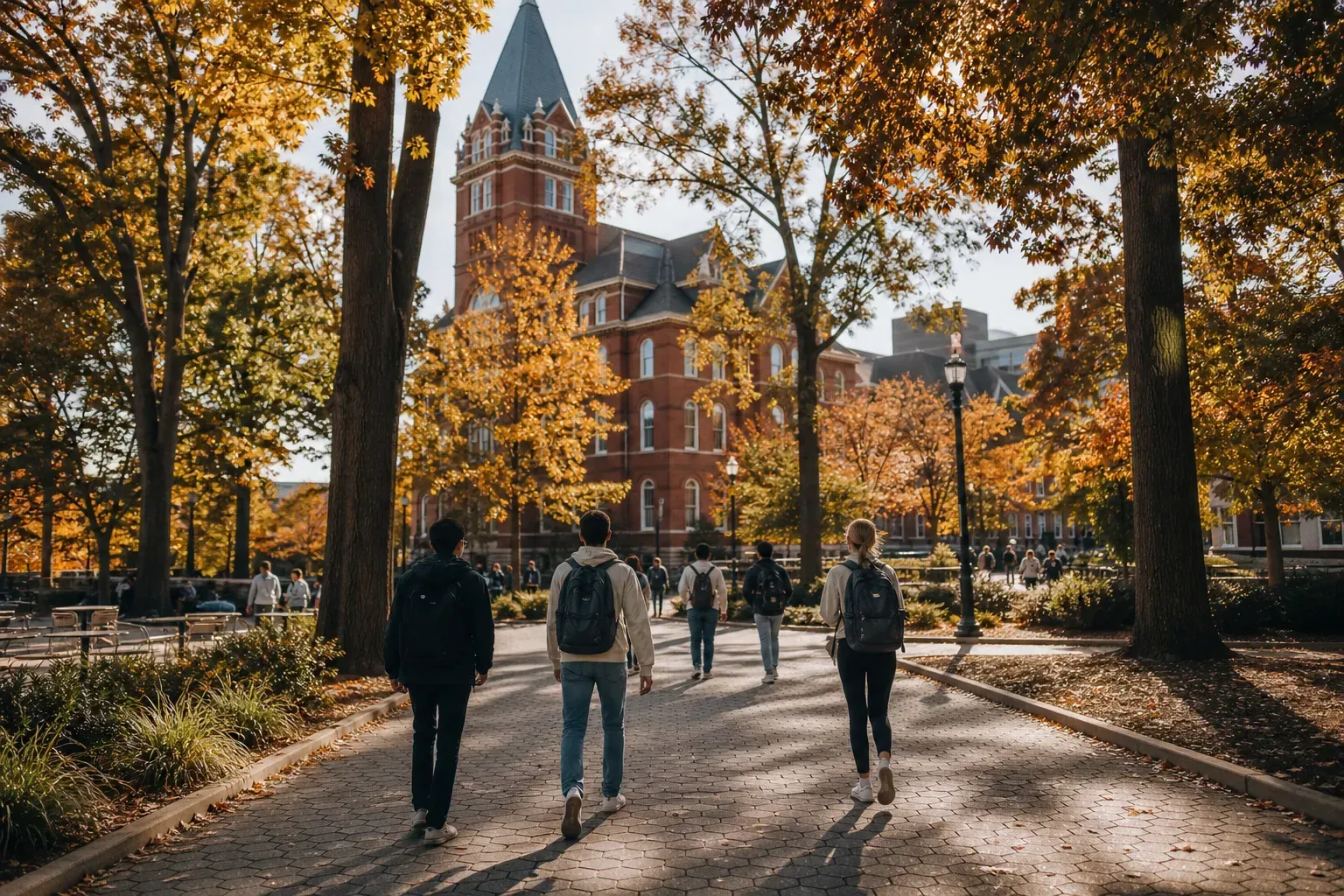
Georgia Tech: Top 5 Engineering, Outstanding CS, Co-op Culture, Yellow Jackets
Georgia Tech is one of America's strongest public engineering universities, known for top-ranked engineering and CS, paid co-ops, and a rigorous, hands-on culture.

UC Davis: #1 Veterinary Medicine in the U.S., Agricultural Sciences, Winemaking, and the Largest UC Campus
UC Davis is the UC system’s most underrated public flagship, with world-class strengths in veterinary medicine, agricultural sciences, viticulture, environmental research, and hands-on life sciences education.
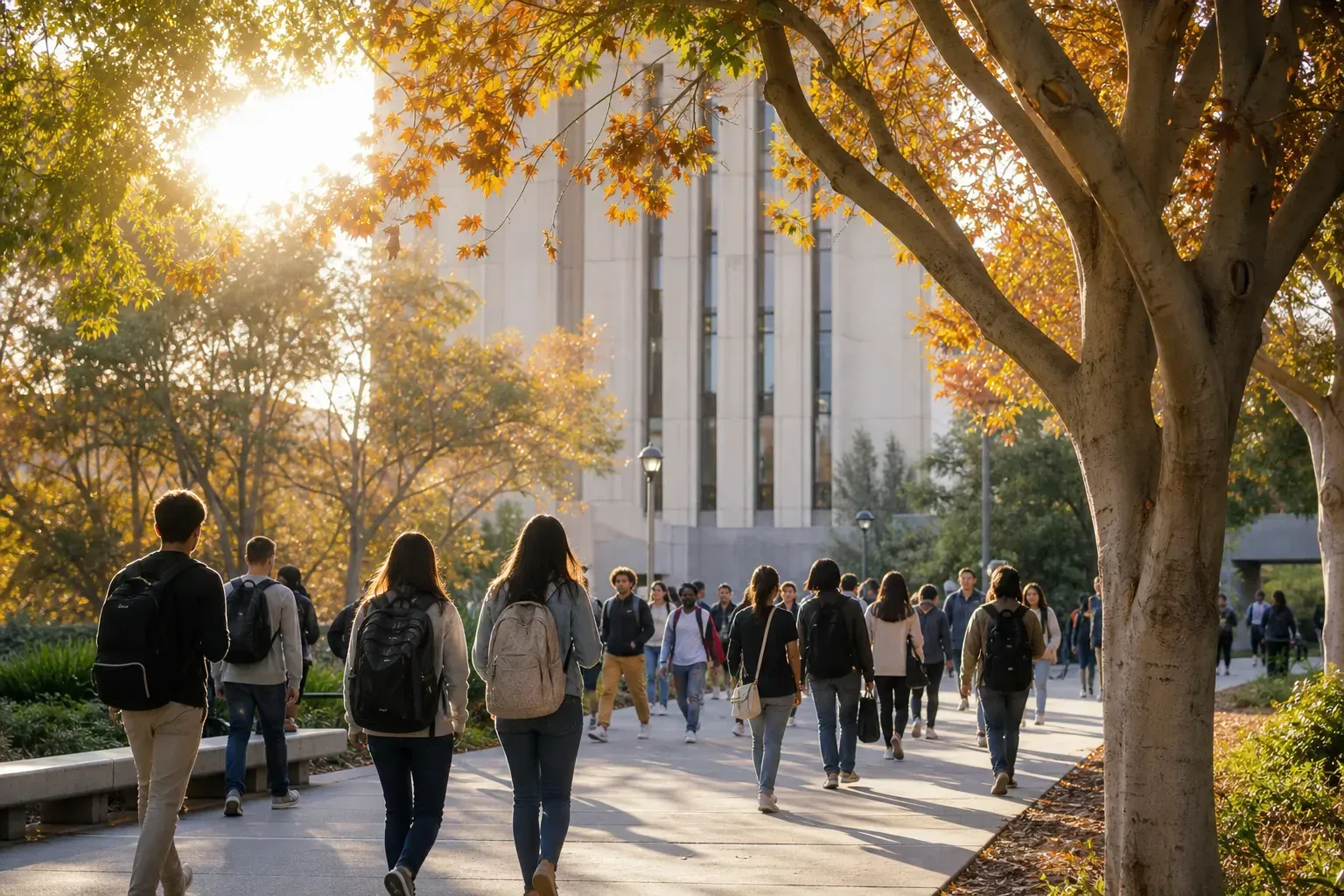
UC Irvine: America’s Esports Leader, CS Powerhouse, ICS School, and the Youngest UC
UC Irvine is the youngest yet one of the fastest-rising flagship campuses in the UC system, known for its ICS school, esports program, Drama, Criminology, and strong ties to Southern California’s tech and entertainment industries.
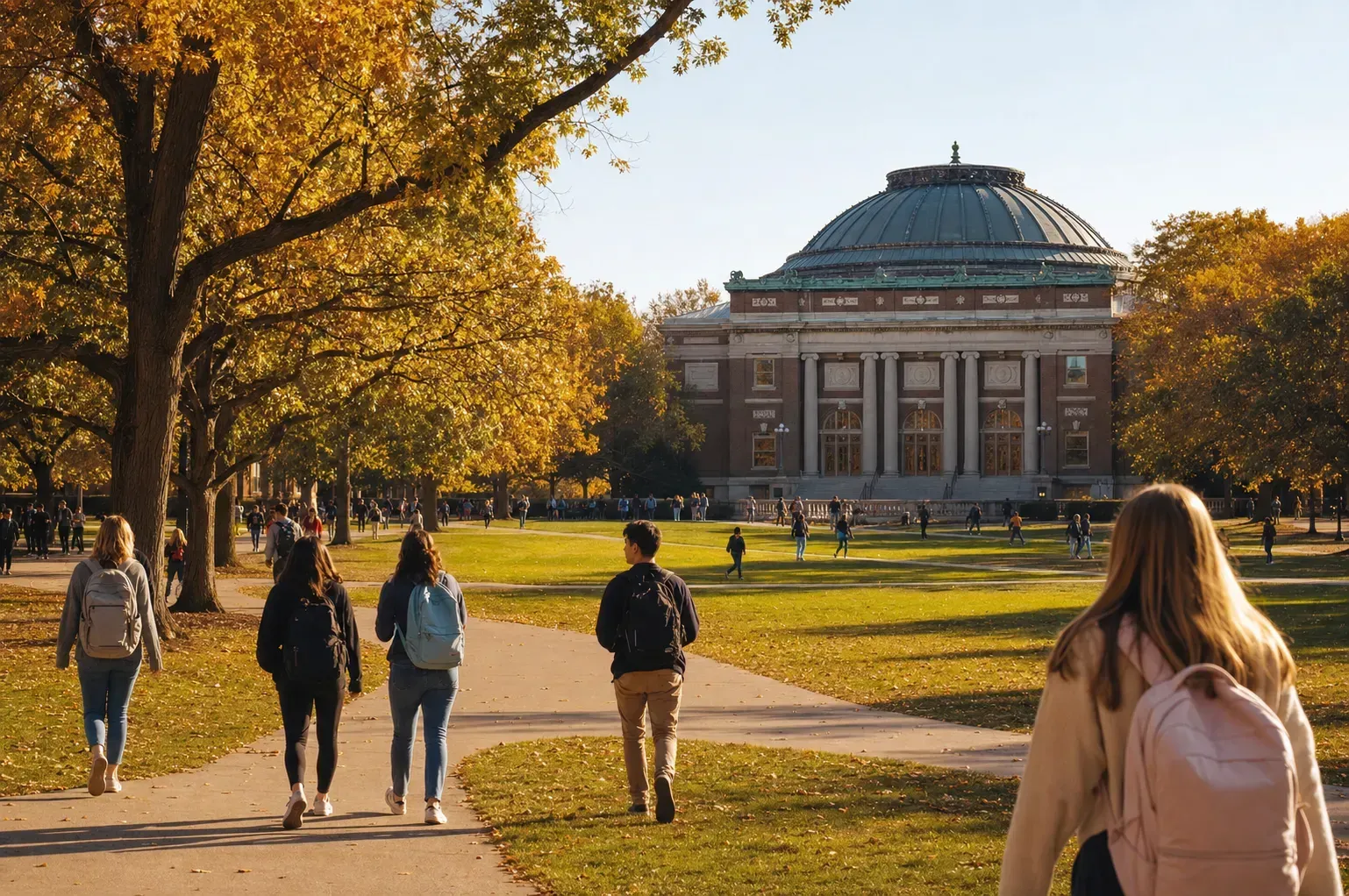
UIUC University of Illinois Urbana-Champaign: Top 5 CS, Top 6 Engineering, #1 Accounting, a Tech Giant in the Cornfields
UIUC is a Midwestern public flagship that can go head-to-head with elite private universities on both coasts in STEM, with Top 5 CS, Top 6 Engineering, and #1 Accounting.
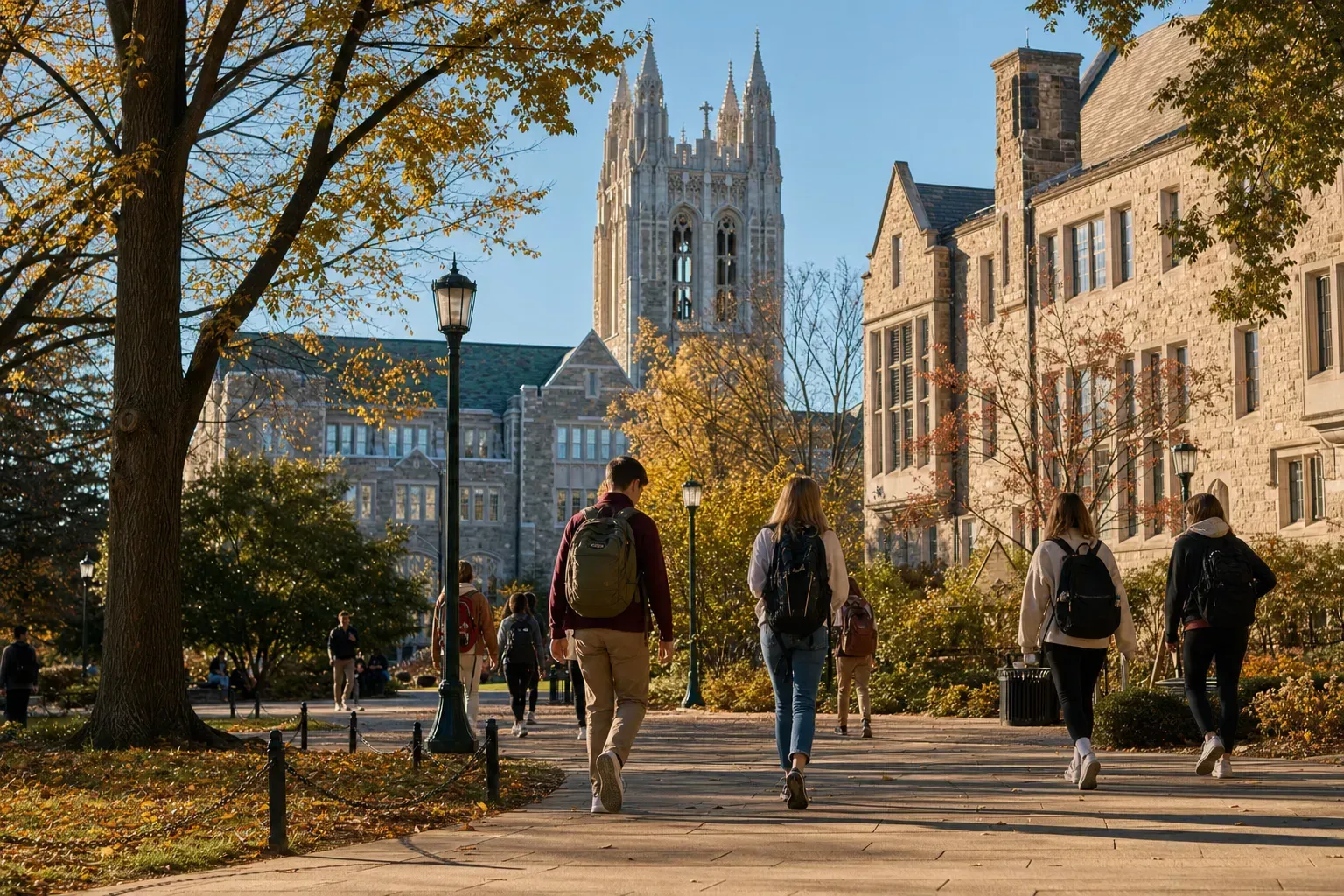
Boston College: Carroll School of Management, Jesuit Tradition, and a Gothic Chestnut Hill Campus
A complete guide to Boston College, covering its Jesuit tradition, Carroll School of Management, admissions strategy, campus culture, costs, aid, location, and fit for Taiwanese families.

Tufts University: Fletcher International Relations, Engineering with Liberal Arts, and a “Near-Ivy” in Suburban Boston
Tufts is a small elite private university that is quirkier than the Ivy League, more research-oriented than a liberal arts college, and stronger in engineering than Brown. It is a top choice for students drawn to IR, public policy, pre-med, biomedical engineering, and intellectually distinctive campus culture.
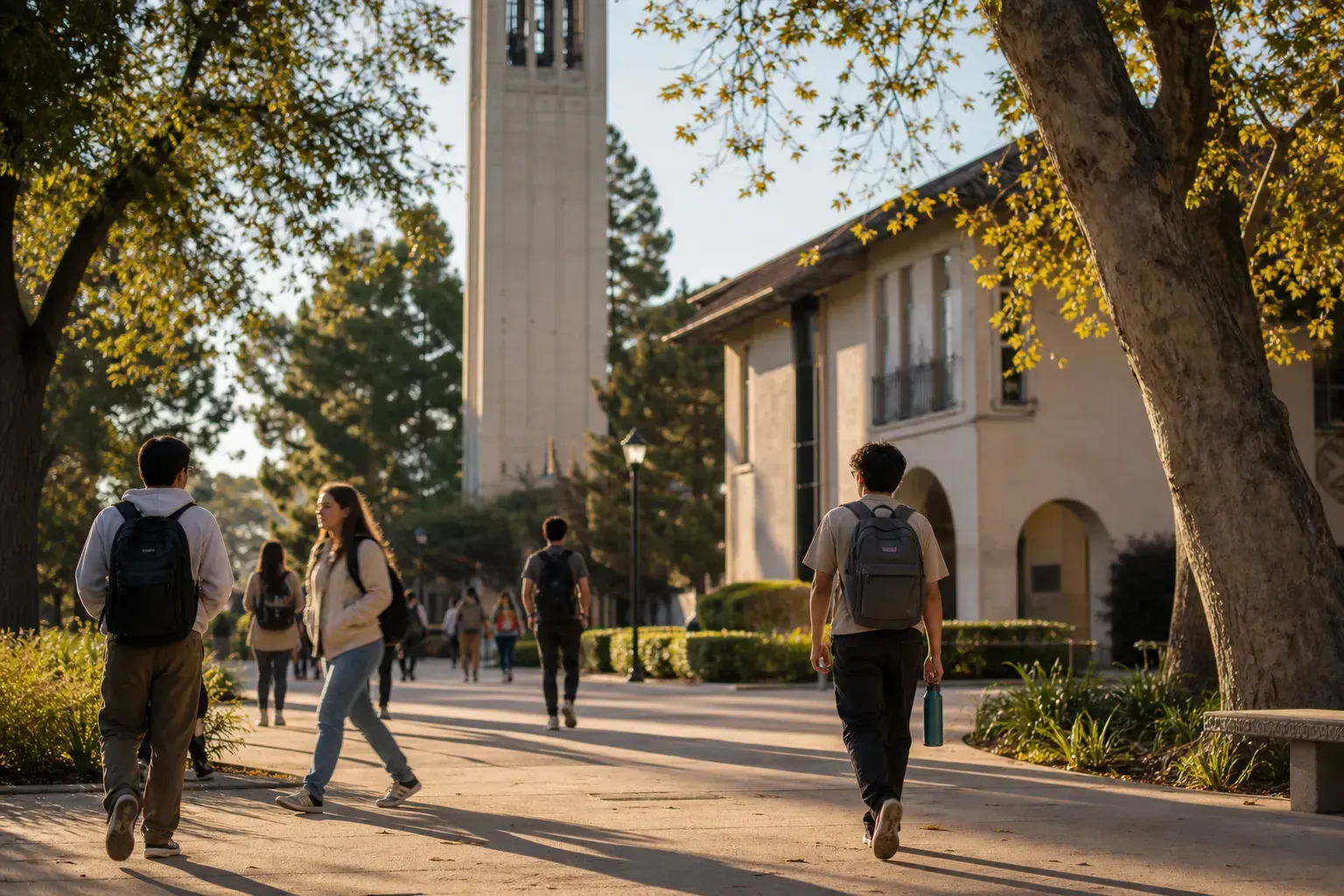
UC Santa Barbara: Top 10 Physics, Kavli Institute, 6 Nobel Laureates, Beachfront Campus
UC Santa Barbara is one of the most underrated UC campuses: a Top 10 Physics powerhouse with the Kavli Institute, 6 Nobel Prize faculty members, strengths in materials and environmental science, and a campus directly on the Pacific beach.
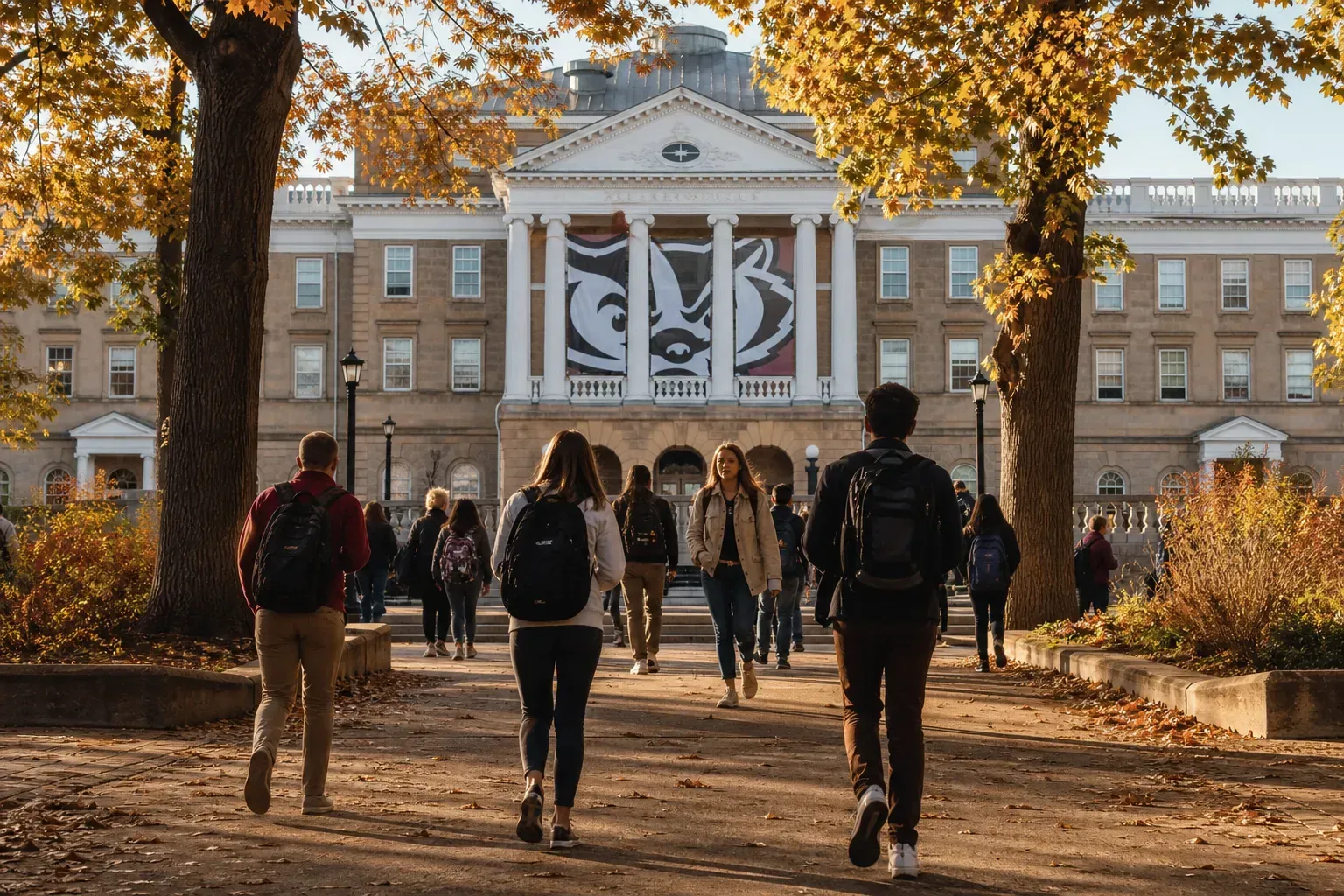
UW Madison, University of Wisconsin-Madison: Big Ten Flagship, No. 1 Sociology, Engineering, and a Lakeside Campus
UW Madison combines the Wisconsin Idea, Big Ten campus life, top-ranked Sociology, Top 15 Engineering and CS, and one of America’s most beautiful lakeside public university campuses.
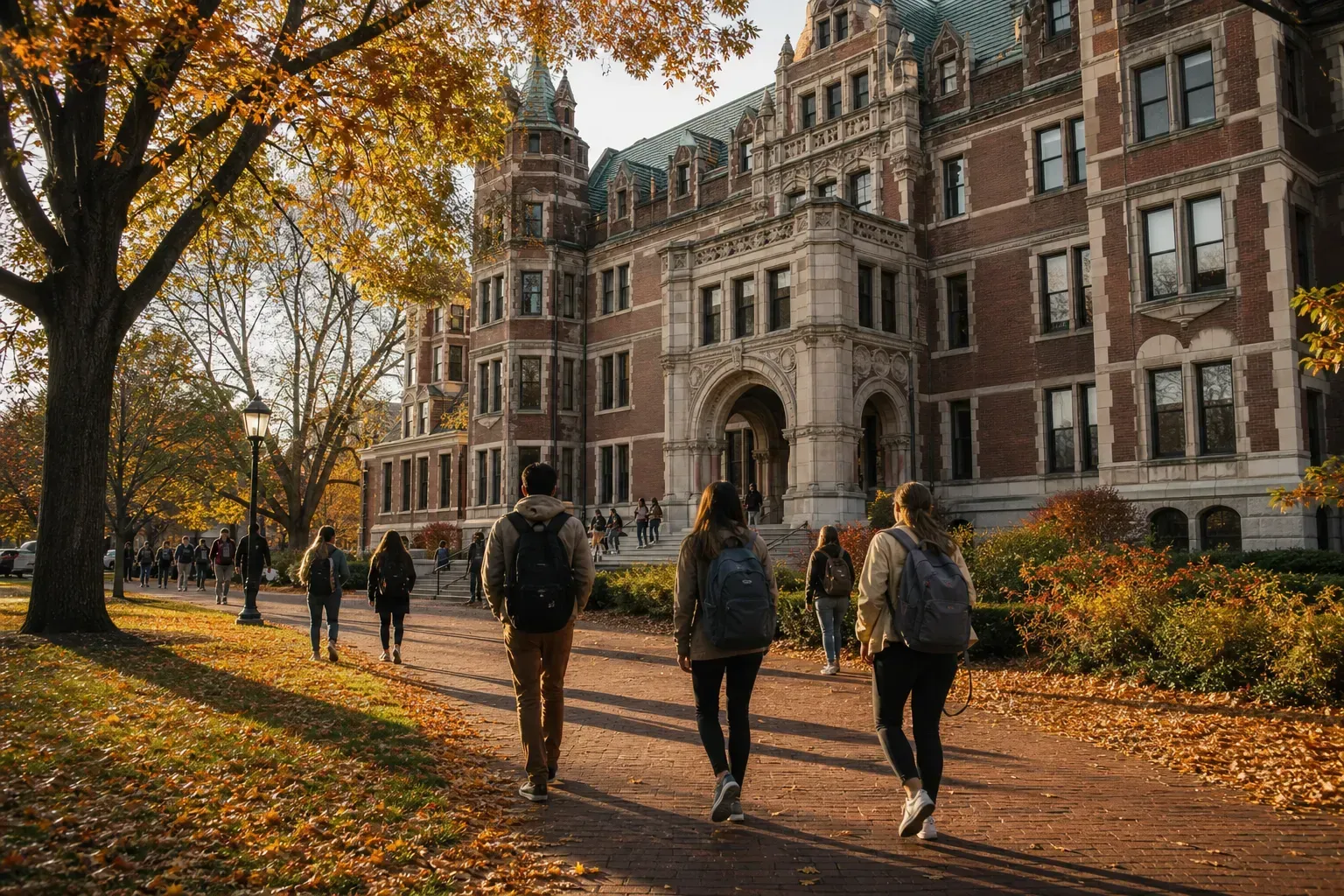
Boston University: COM College of Communication, Questrom School of Business, and the Charles River Urban Campus
Boston University is one of Boston's largest, most international, and most urban private research universities, known for COM, Questrom, Sargent, and its 1.5-mile Charles River campus.
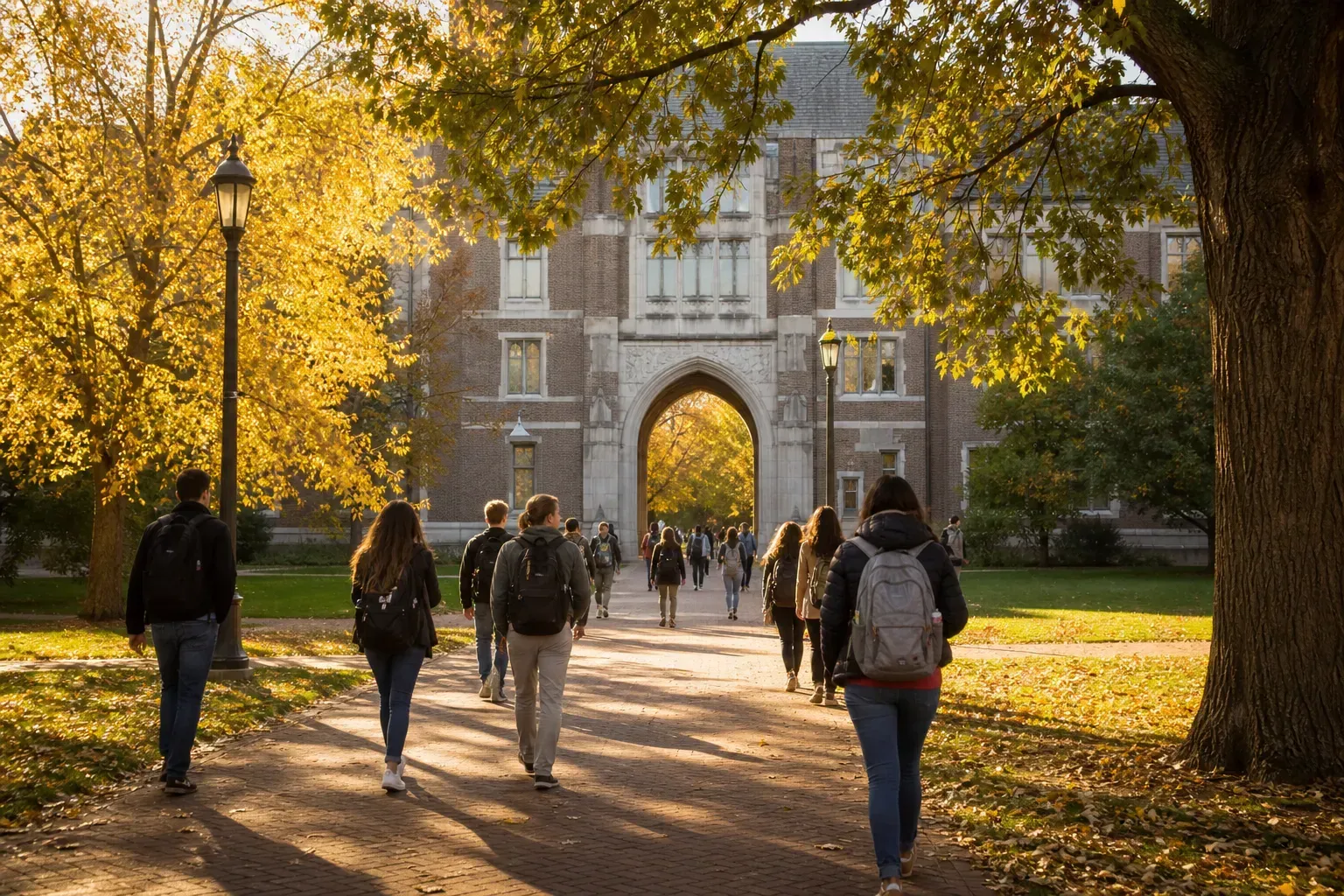
Ohio State University: Big Ten Giant, Fisher College of Business, Buckeyes Football, Engineering
Ohio State is a Top 50 public flagship with one of the largest undergraduate populations in the U.S., strong Fisher Business, Engineering, Logistics, Welding Engineering, Veterinary Medicine, Pharmacy, and an unmatched Big Ten football culture.
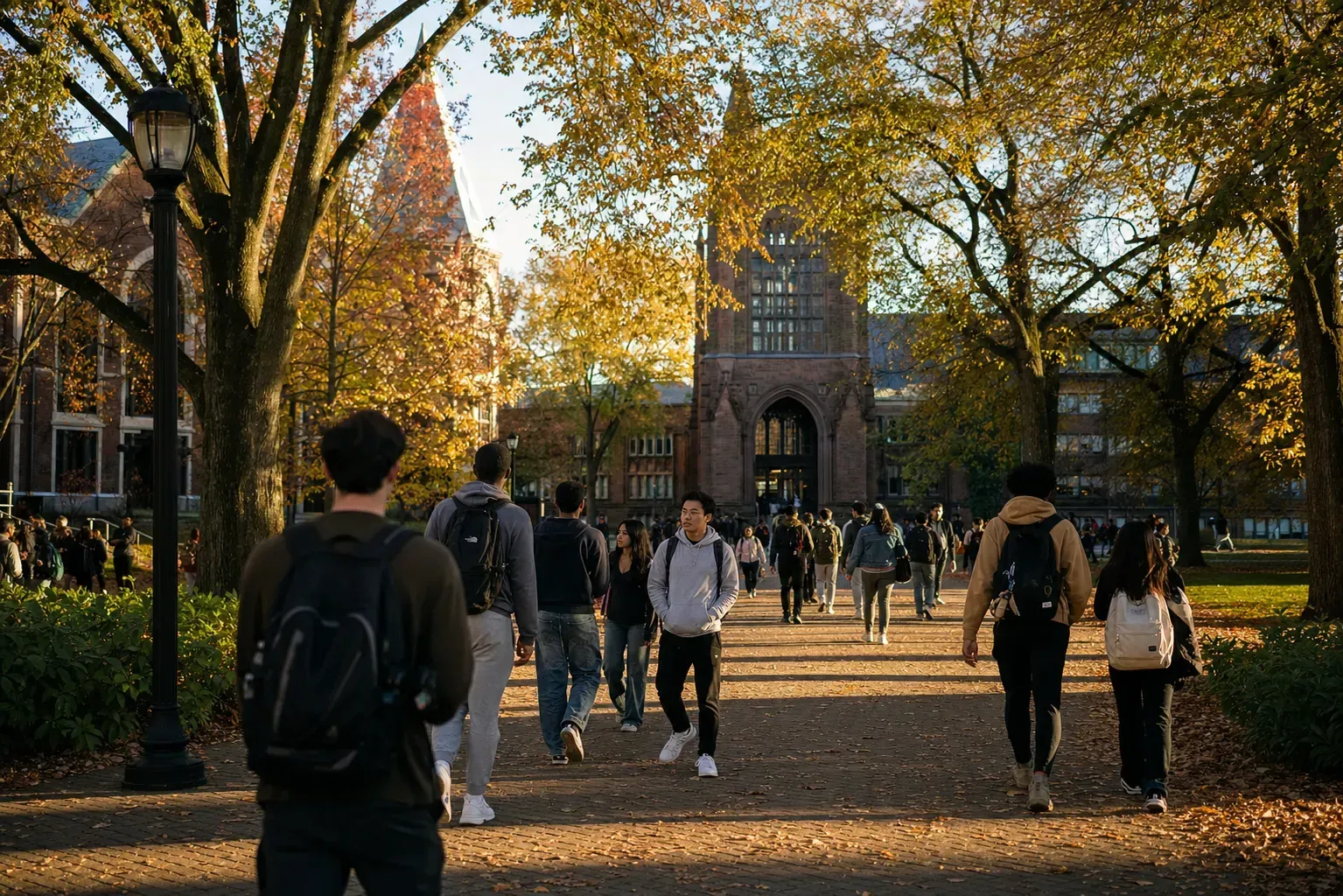
Rutgers University-New Brunswick: New Jersey Flagship, Top 5 Pharmacy, Math Powerhouse, and Big Ten
Rutgers combines Big Ten scale, New Jersey flagship status, Top 5 Pharmacy, elite discrete mathematics, New York access, and one of the strongest value propositions among East Coast public universities.
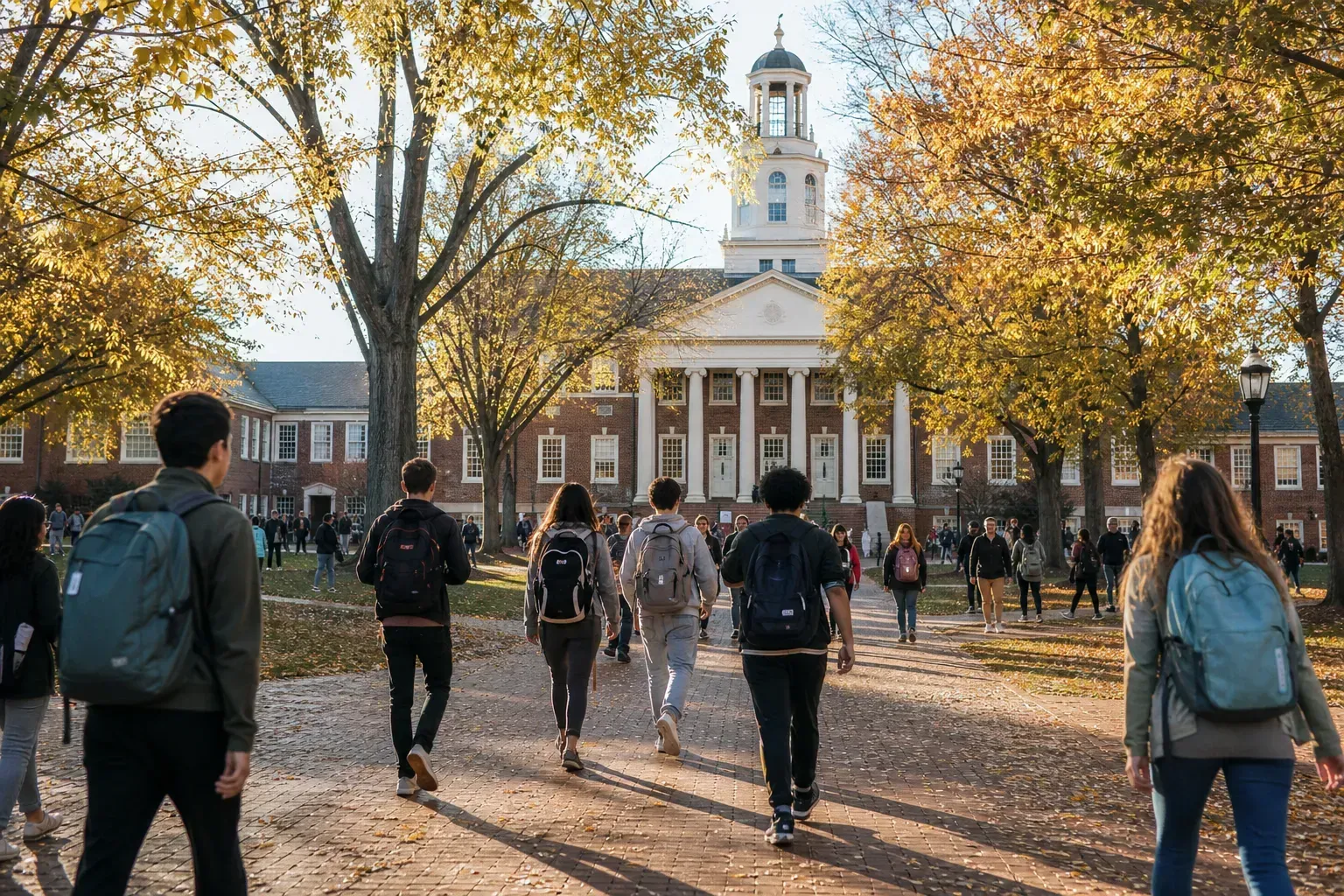
UMD University of Maryland, College Park: CS Top 15, Engineering, Smith Business, and a State Flagship Next to DC
University of Maryland, College Park is a Big Ten public flagship with CS Top 15, Aerospace Top 10, Smith Business Top 25, and unmatched access to DC, NASA, NSA, and federal policy internships.
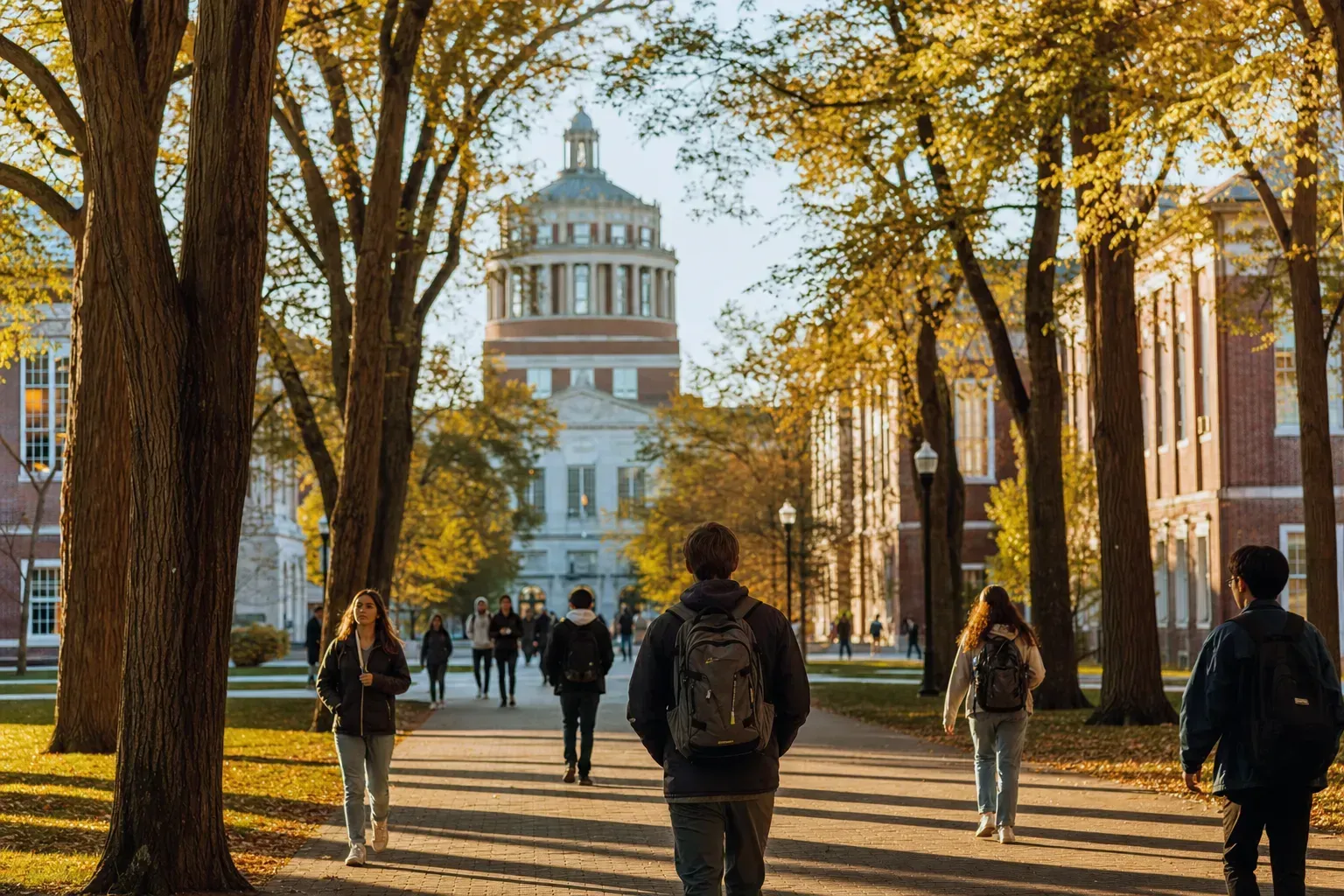
University of Rochester: Eastman Music Ranked No. 1, Optics Ranked No. 1, Open Curriculum
University of Rochester is one of the most academically independent and underrated mid-sized private universities in Upstate New York, known for Eastman, Optics, Brain & Cognitive Sciences, and its Open Curriculum.
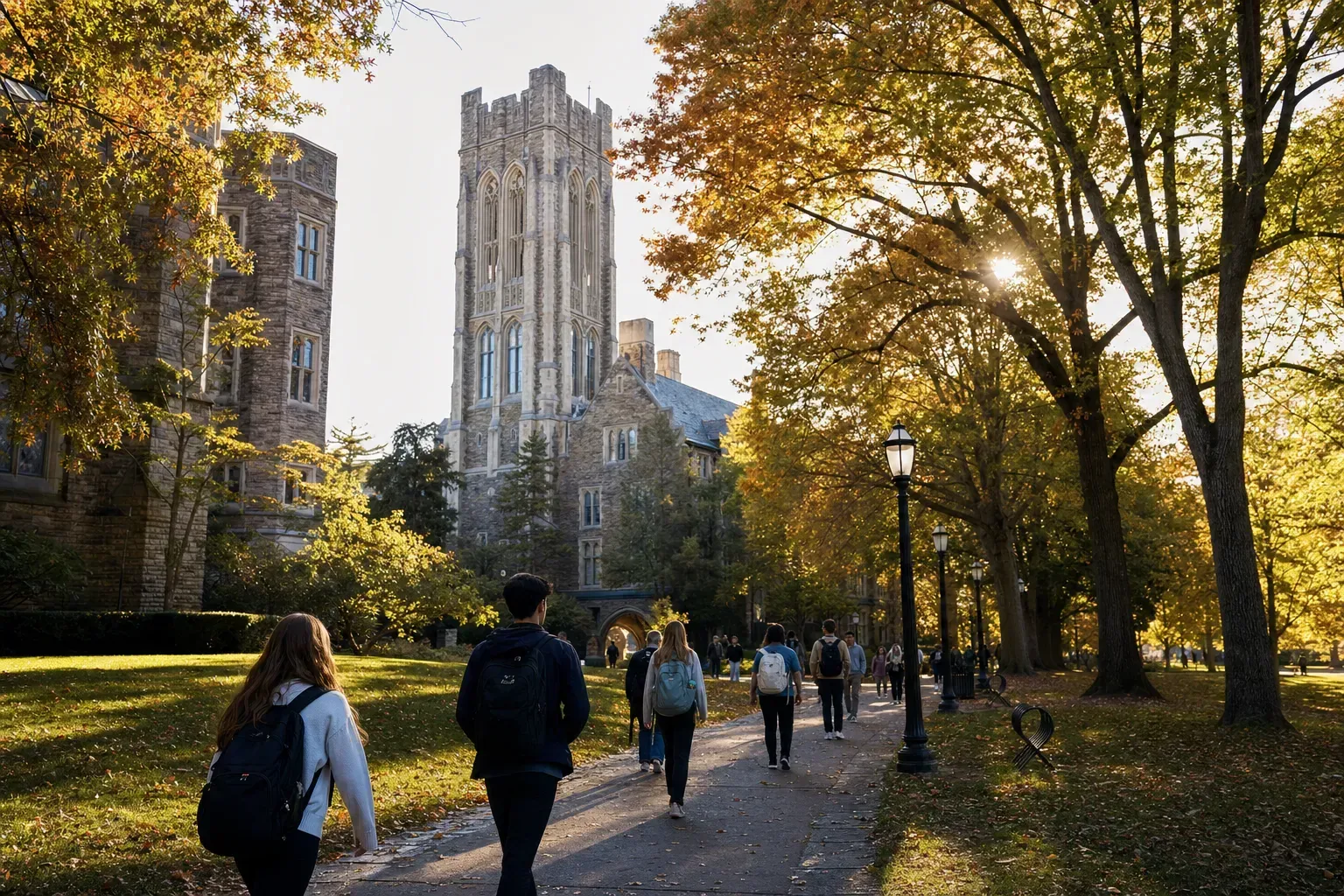
Lehigh University: Top 30 Engineering, Interdisciplinary IBE, Strong Greek Life, Private Engineering University in Pennsylvania
Lehigh combines Top 30 Engineering, a nationally distinctive IBE program, strong Greek Life, and a Wall Street and industry career pipeline in Pennsylvania's Lehigh Valley.
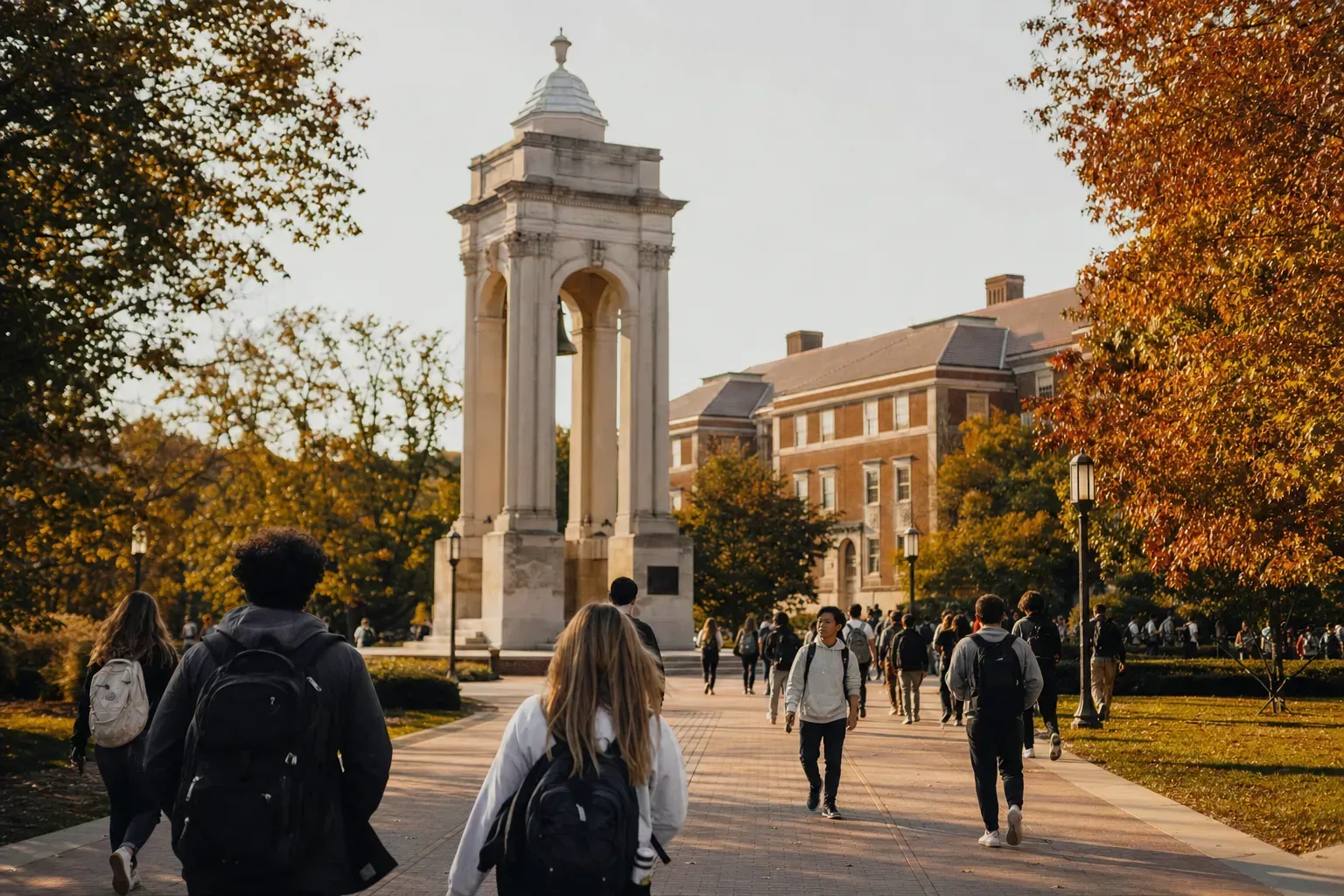
Purdue University: Top 10 Engineering, Aerospace, CS, Astronaut U, and 13 Years of Frozen Tuition
Purdue is one of America’s top public engineering powerhouses, known for Aerospace, Industrial Engineering, CS, Astronaut U, and a rare 13-year tuition freeze.
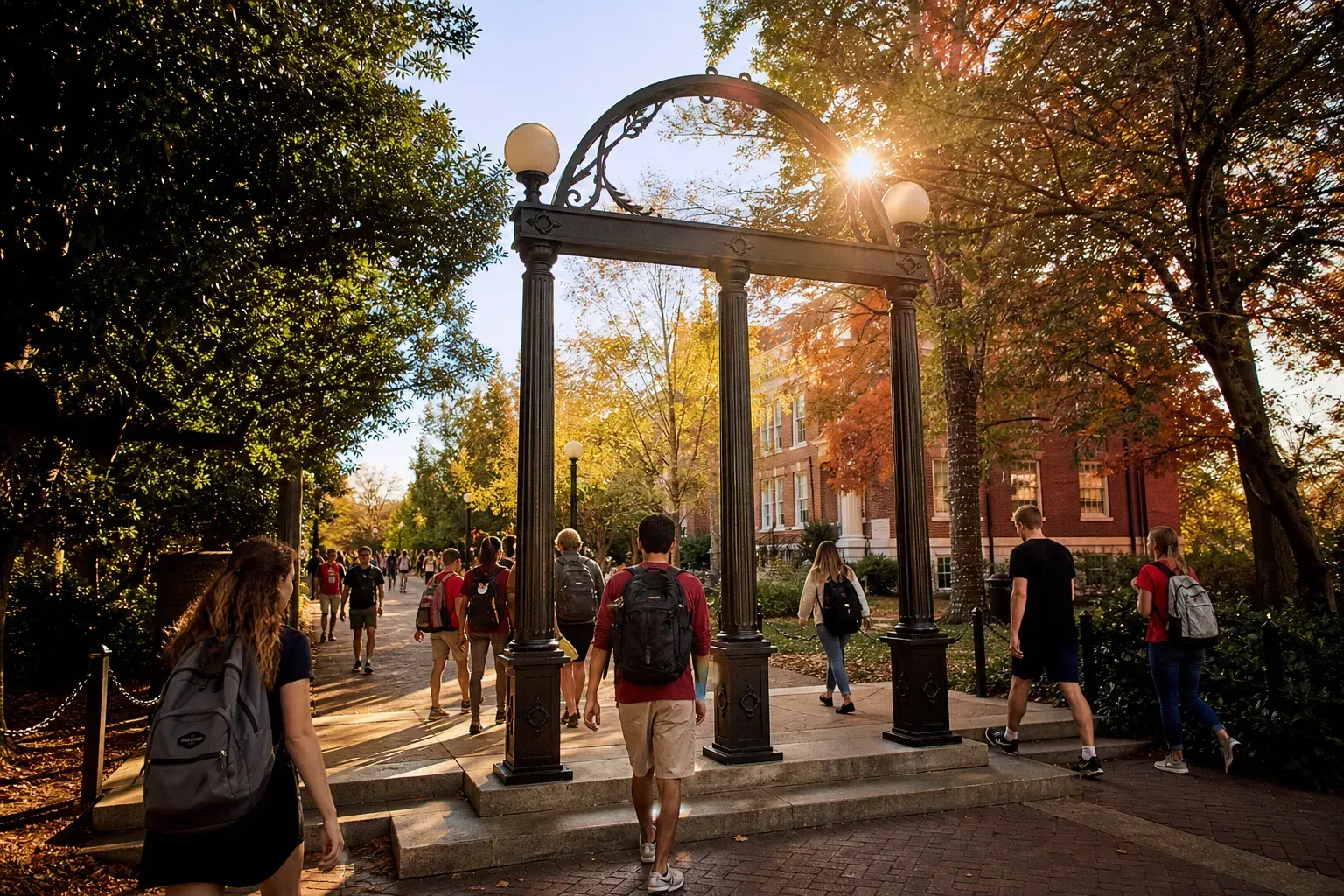
UGA University of Georgia: America’s First State University, Terry Business, Grady Journalism, SEC Football
UGA is a Southern public flagship with America’s oldest state-university heritage, Terry Business, Grady Journalism, HOPE Scholarship value, Athens college-town culture, and SEC football. This guide explains admissions, cost, academics, culture, and fit for Taiwanese families.
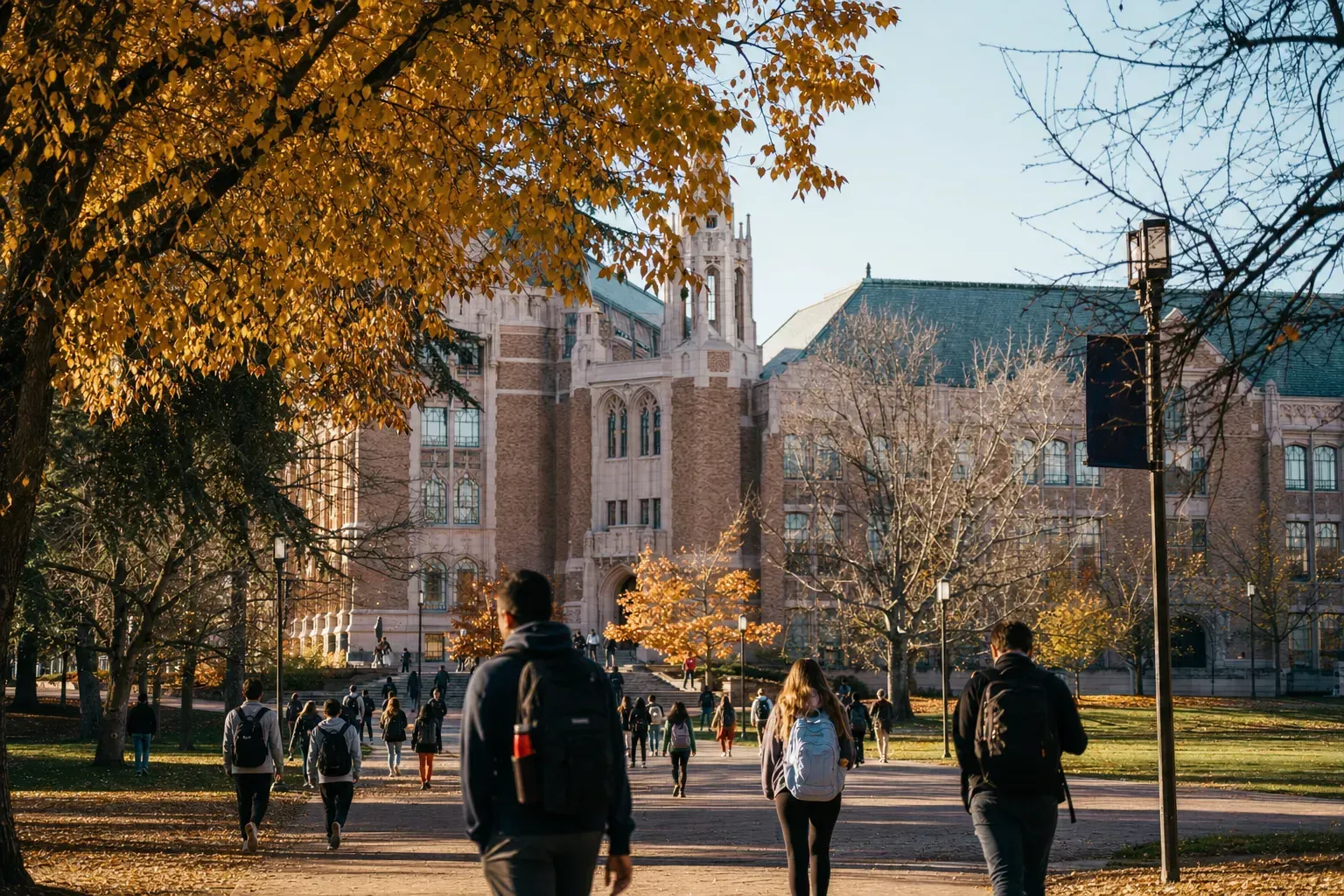
UW Seattle: Allen School of Computer Science Top 7, Medicine #1, Nursing #1, Next to Amazon/Microsoft
UW Seattle is a Pacific Northwest public flagship powered by Seattle technology, world-class medicine, and the Allen School of Computer Science.
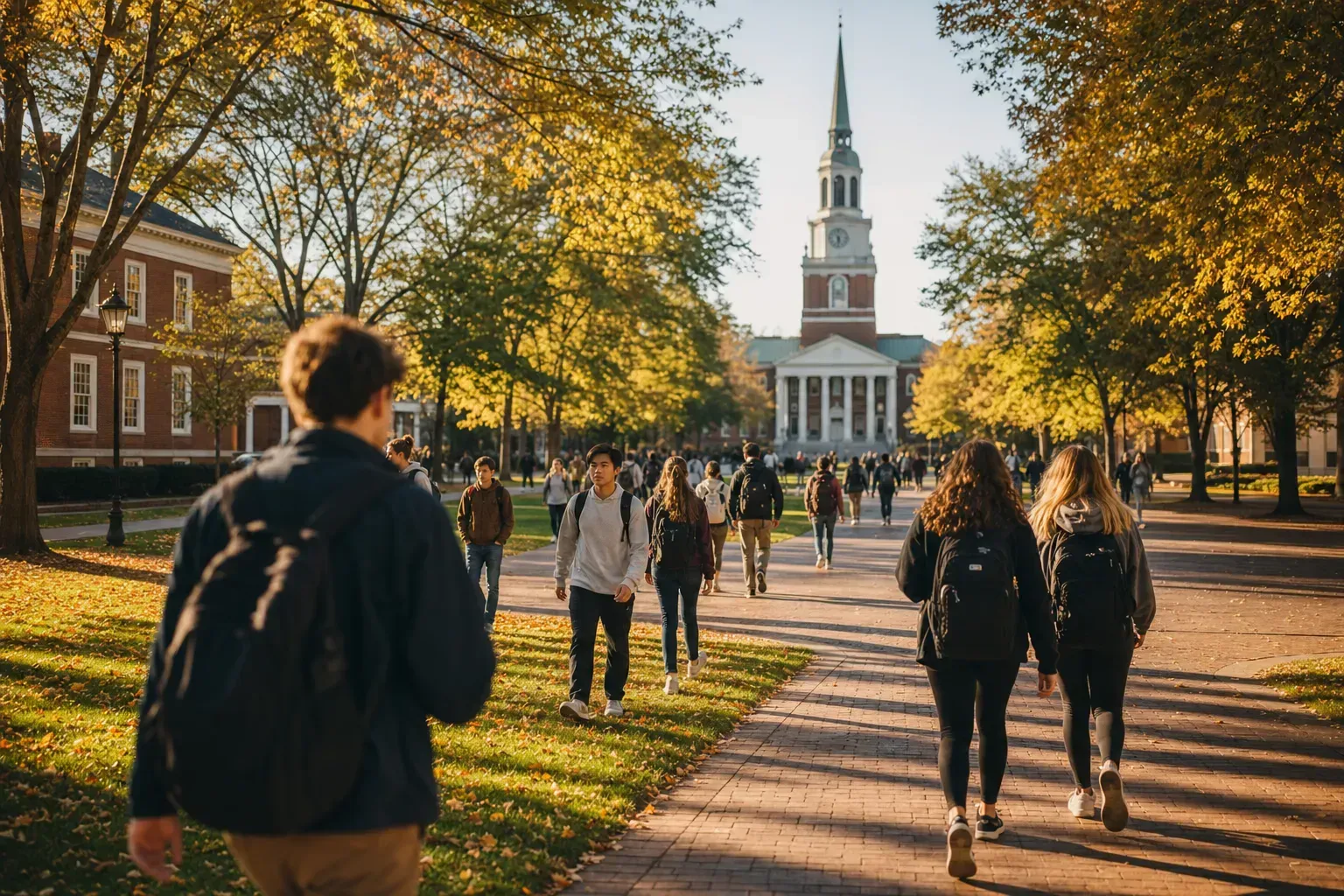
Wake Forest University: Southern Liberal Arts Elite, Test-Optional Pioneer, Mother So Dear, and Wall Street Pipeline
Wake Forest University is one of the few elite Southern private universities that can stand alongside Duke, Vanderbilt, and UNC, combining a small undergraduate community, a Pro Humanitate service ethos, strong business and accounting pathways, and lifelong alumni loyalty.
Case Western Reserve University: Engineering, Pre-med, Cleveland Clinic, and the Single Door Application
Case Western Reserve University is a mid-sized private research university in Cleveland, known for Pre-med, Engineering, Biomedical Engineering, Cleveland Clinic access, the PPSP pathway, and its flexible Single Door Application.

Texas A&M University: Top 15 Engineering, Aggie Traditions, 12th Man, Corps of Cadets, Mays Business
Texas A&M is Texas's land-grant flagship and a public engineering powerhouse with military traditions. This guide explains its rankings, admissions, costs, academics, Aggie culture, and fit for Taiwanese families.
Virginia Tech: Engineering Top 15, Hokies, Architecture, Corps of Cadets, Pamplin Business
Virginia Tech is Virginia’s public technology flagship, known for Engineering, Architecture, the Corps of Cadets, Hokie Nation, and strong value for international families.
Florida State University: Top 10 Film School, Hospitality, Seminoles, Bright Futures
Florida State University combines a Top 10 film school, Top 10 hospitality program, Top 5 criminology, Seminoles football culture, and strong value among public Top 60 universities.
Northeastern University: World-Leading Co-op, NUin Global Network, Mid-Sized Private University in Boston, Acceptance Rate Plunging to ~5-6%
Complete Northeastern profile: acceptance rate plunging from 30% to ~5-6%, world-leading paid Co-op program, NUin's 13 global campuses, Engineering Top 30, Business Top 30, ~16,000-student mid-sized private university. Why did Northeastern go from a "safety school" to "harder to get into than BU and NYU"? How should Taiwanese families evaluate it?

University of Minnesota Twin Cities: Carlson Business, Medicine, IT, Big Ten
University of Minnesota Twin Cities is a broad public flagship with Carlson Business, Medicine, Engineering, Pharmacy, Public Health, Big Ten culture, and Twin Cities career access.
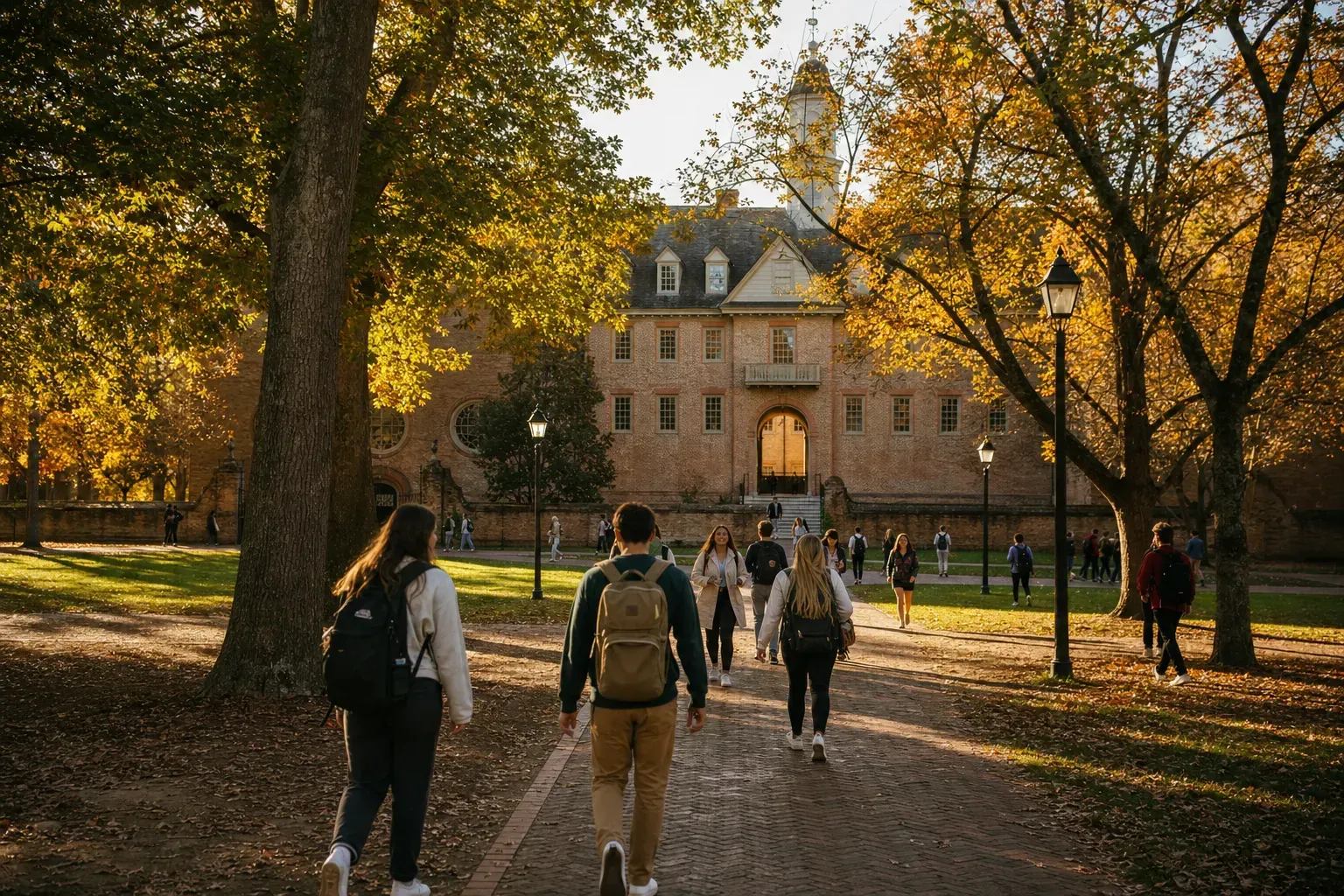
William & Mary: America’s Second-Oldest University, Public Ivy, Government, Pre-law, Mason Business
William & Mary is America’s second-oldest university, a founding Public Ivy, the birthplace of Phi Beta Kappa, and one of the strongest public universities for Government, Pre-law, history, and liberal arts. This profile explains its admissions, costs, academics, culture, scholarships, and fit for Taiwanese families.
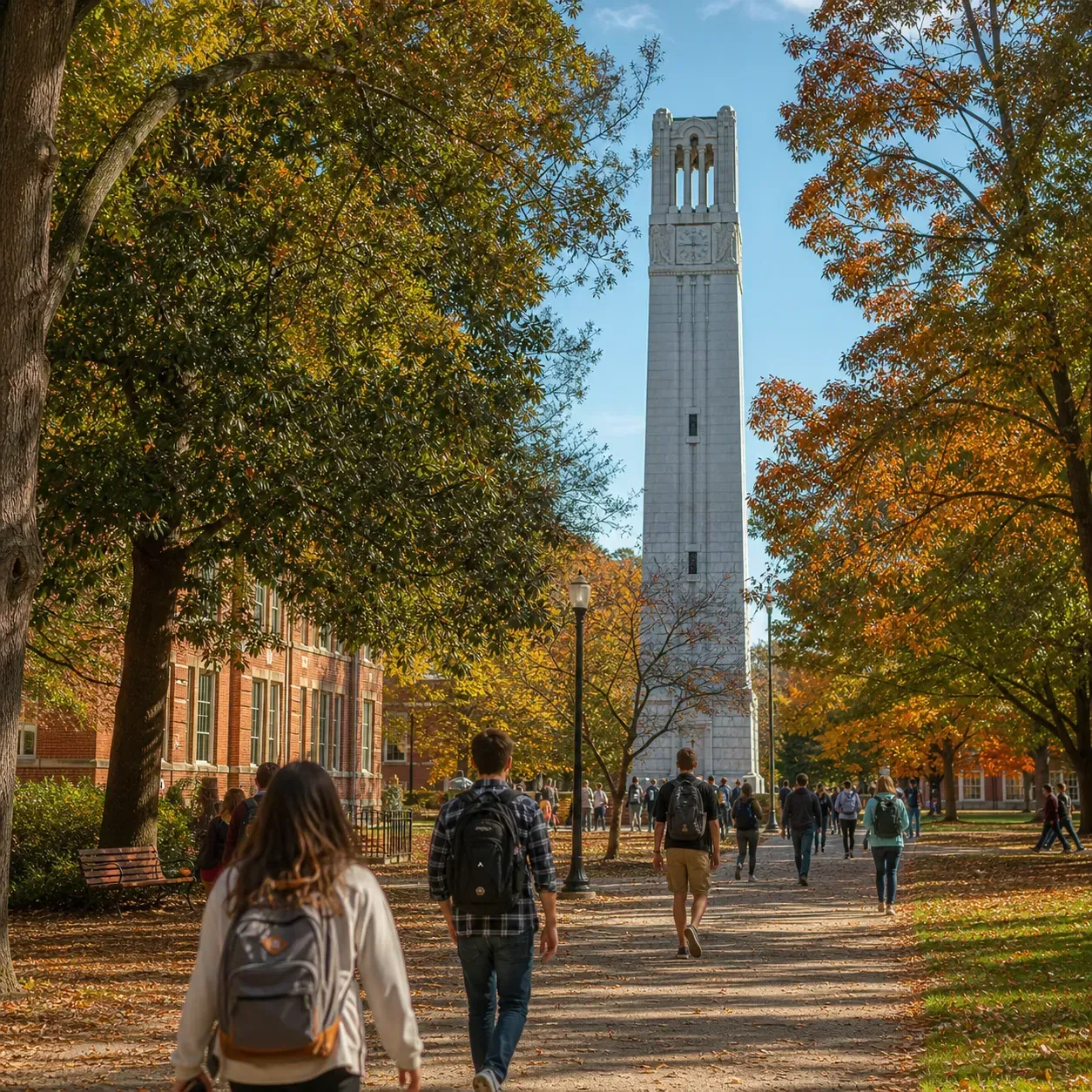
NC State University: Engineering Top 25, Design, Veterinary Medicine, Wolfpack, Research Triangle
NC State combines a Research Triangle Park location with Top 25 Engineering, Top 10 Design, Top 5 Veterinary Medicine, Wolfpack athletics, and a practical “Think and Do” culture.

Stony Brook University: Top Physics, Simons Center, Math, Brookhaven, and 30%+ Asian Students
Stony Brook is a SUNY research flagship on Long Island with elite physics, mathematics, Brookhaven National Lab access, strong STEM value, and a highly Asian student body.
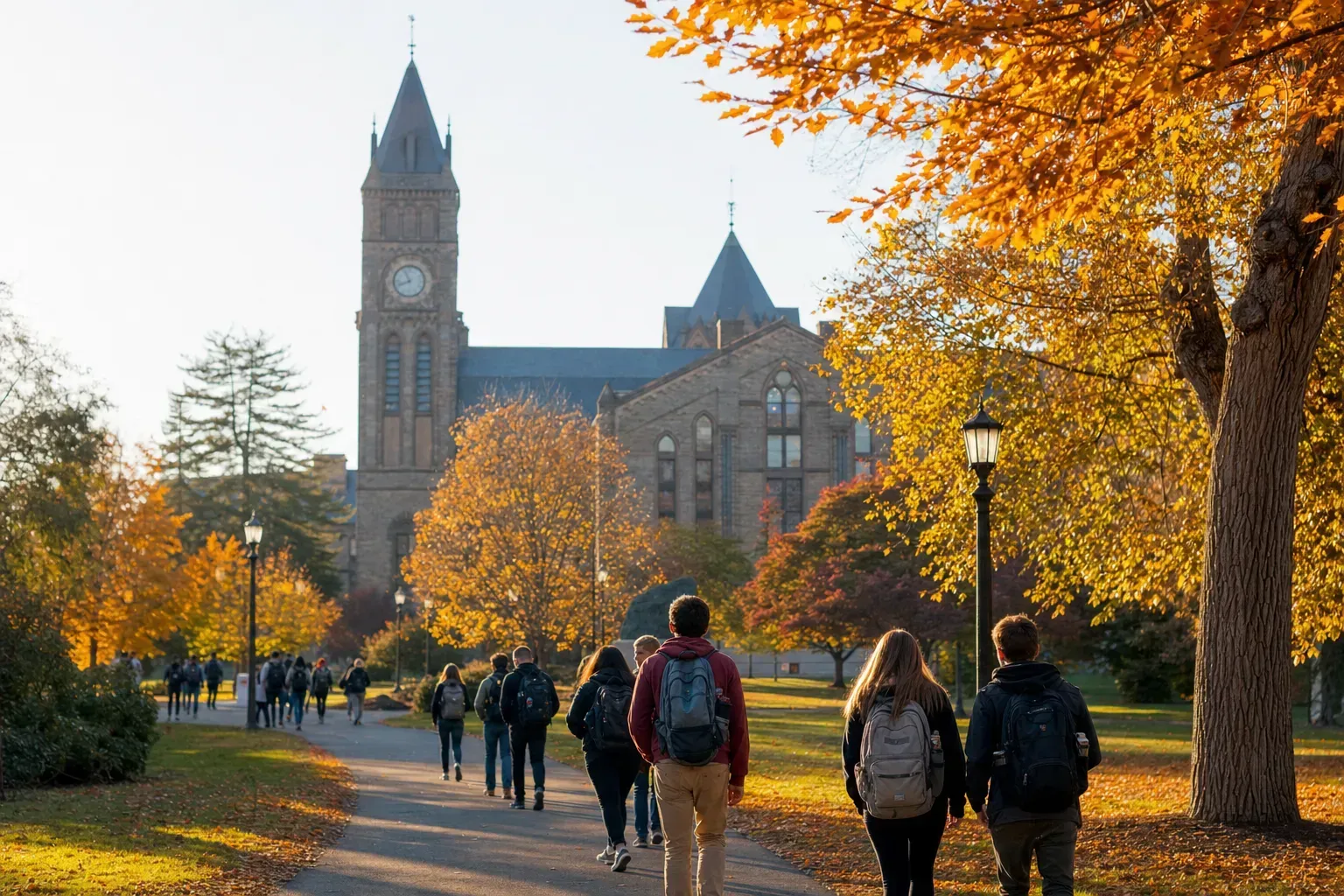
UMass Amherst: CS Top 30, Isenberg Business, Hospitality, Five College Consortium
UMass Amherst combines a New England public flagship, Five College Consortium access, CS Top 30, Isenberg Business Top 50, Hospitality Top 25, and strong value.